BrokerHiveXBrokerHiveXBrokerHiveX
Summary:The evolution of the European green finance market, in-depth analysis of the latest developments and opportunities in ESG investment, green bonds and sustainable financing from the perspective of London. The content is clearly structured and the data is detailed.
author
Charlotte Bennett, London ESG Editor
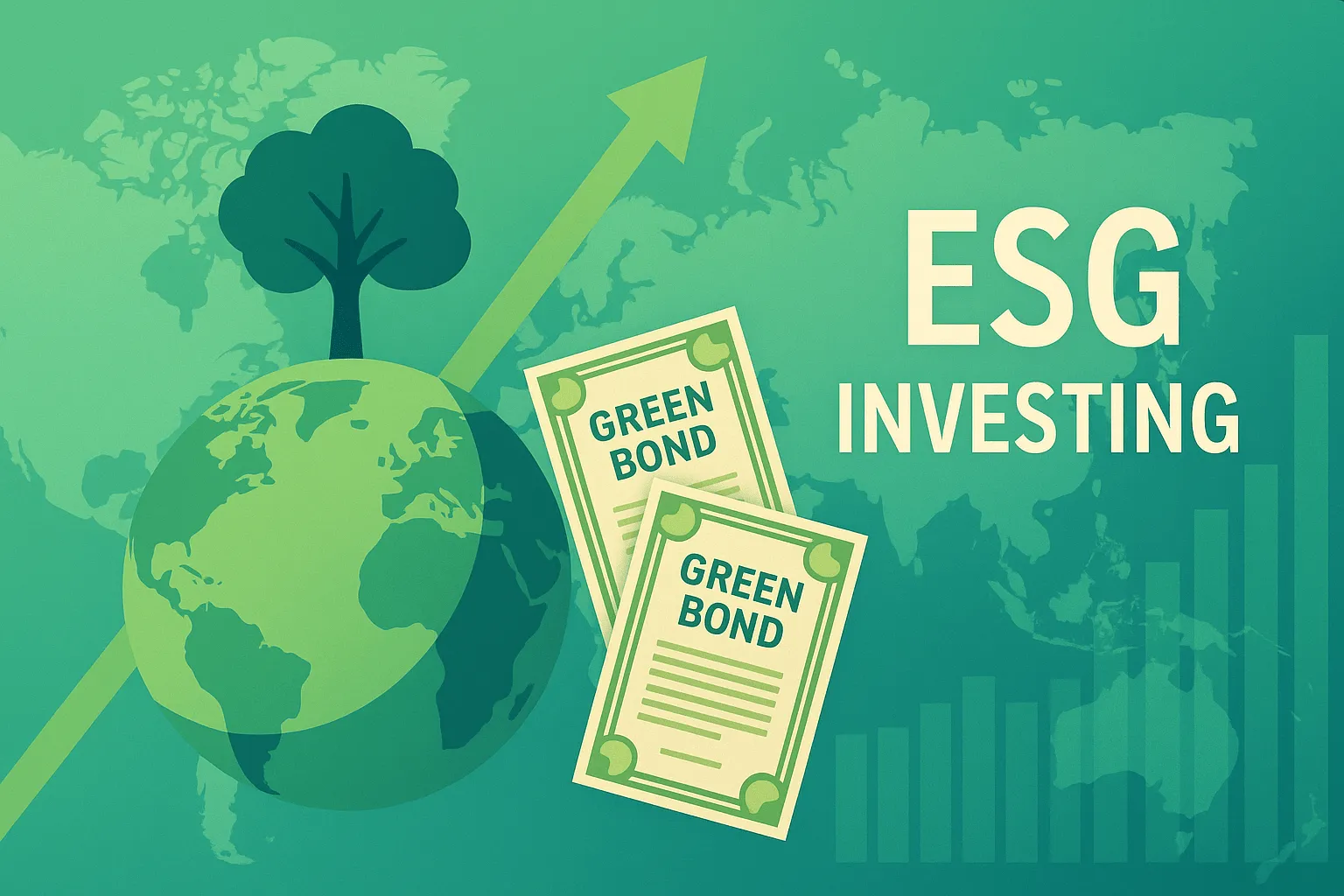
The SFDR, which came into effect in March 2021, requires asset managers and financial advisors to make transparent disclosures about the sustainable attributes and risks of their products. Funds are classified into:
Article 6 : No ESG goals, only disclosure of sustainability risks;
Article 8 : Promote “light green” funds with environmental/social characteristics;
Article 9 : “Deep green” funds with sustainable investment at their core.
As of the first quarter of 2025, Article 8 and 9 funds had more than €3.2 trillion in assets under management, demonstrating the positive institutional response to the goals of the Paris Agreement.
EU Taxonomy provides unified standards for environmentally sustainable economic activities, covering six major goals: climate change mitigation and adaptation, water resource management, circular economy, pollution prevention and biodiversity conservation. Green bond issuers that meet the requirements of Taxonomy can obtain priority support financing from the European Investment Bank (EIB) and the European Central Bank (ECB).
In 2007, the EIB issued its first green bond. By 2024, the total amount of green bonds issued globally has exceeded 1.1 trillion US dollars, of which Europe contributed about 45%. Among sovereign green bonds, Germany, France and Belgium are the leading countries in terms of issuance scale.
Green bonds must follow the Green Bond Principles (GBP) and the Climate Bonds Initiative (CBI) classification standards issued by the International Capital Market Association (ICMA), disclosing:
The purpose of the funds (renewable energy, green buildings, sustainable transportation, etc.);
Project selection and evaluation process ;
Continuous reporting , including impact data such as carbon emissions reduction and energy saving indicators.
Transition Bonds : Provide decarbonization funding support for traditional high-carbon industries (such as steel and cement);
Sustainability-linked bonds (SLBs) : The coupon is linked to the issuer’s ESG KPIs (key performance indicators). In 2024, the issuance of European SLBs was approximately EUR 70 billion, demonstrating the company’s commitment to the net zero target.
Social bonds are intended to finance social welfare projects such as affordable housing, education, and healthcare. During the pandemic, the issuance of social bonds in Europe soared, reaching 150 billion euros by 2023, with the EU SURE program playing an important supporting role.
Although the Social Bond Principles (SBP) encourage the use of qualitative and quantitative indicators to measure impact (such as the number of beneficiaries and social value creation), the current standards have not yet been fully unified, and investors still need to be cautious when comparing across projects.
Large asset managers such as BlackRock and Aberdeen Standard have pledged to achieve net zero emissions by 2050 and have introduced ESG screening and shareholder engagement policies. Passive ESG ETFs are also growing rapidly. As of mid-2025, there are more than 400 ESG-labeled ETFs in the European market, with a total size of nearly 900 billion euros.
With the popularization of digital platforms, low-threshold green theme funds, micro-investment applications that support ESG screening, and functions such as "impact calculators" have attracted a large number of young investors. According to a 2024 survey by Euresearch, 62% of EU retail investors "attach great importance" to ESG factors when selecting funds.
Some “green” or “socially responsible” funds have been accused of greenwashing due to their lack of material impact disclosure. A 2024 NGO report found that about 20% of self-proclaimed green funds did not provide sufficient impact data, prompting regulators to strengthen enforcement of SFDR and Taxonomy.
There are significant differences in the methodologies and scoring systems of different ESG rating agencies, which hinders comparability across funds and regions. It is expected that the Corporate Sustainability Reporting Directive (CSRD) will further unify the disclosure framework in the future.
The regulatory technology platform based on natural language processing (NLP) can automatically extract key indicators from annual reports and sustainability reports, reduce the burden of manual review and improve data accuracy.
The tokenization of green assets and carbon credits hosted on blockchain is expected to improve liquidity and transparency. The EU-backed "Green Digital Finance" program is piloting the on-chain issuance and trading of carbon credits and green bonds, aiming to expand the accessibility of sustainable assets to a wider range of investors.
Europe's leading position in sustainable finance is inseparable from a rigorous policy framework , continuous product innovation and transparent impact reporting . In the future, only when regulators, issuers, investors and technology service providers work together can we promote the green transformation of the global financial system while achieving economic resilience and social equity.
BrokerHivex is a financial media platform that displays information from the public internet or user-uploaded content. BrokerHivex does not support any trading platform or instrument. We are not responsible for any trading disputes or losses arising from the use of this information. Please note that the information displayed on the platform may be delayed, and users should independently verify its accuracy.