BrokerHiveXBrokerHiveXBrokerHiveX
Summary:Trump has called on the Federal Reserve to lower its policy rate to 1% in an effort to reduce government borrowing costs and ease deficit pressure. However, historical experience shows that 1% interest rates typically only occur during economic crises, such as the 2008 financial crisis or the 2020 pandemic, not in the current environment of 4.1% unemployment and 2% growth. A hasty rate cut could reignite inflation expectations, weaken the Fed's independence, and shake the bond market and the credit of the US dollar. #Federal Reserve Policy #Interest Rates and Inflation #US Treasury Market #Central Bank Independence #Global Capital Confidence #Fiscal Deficit
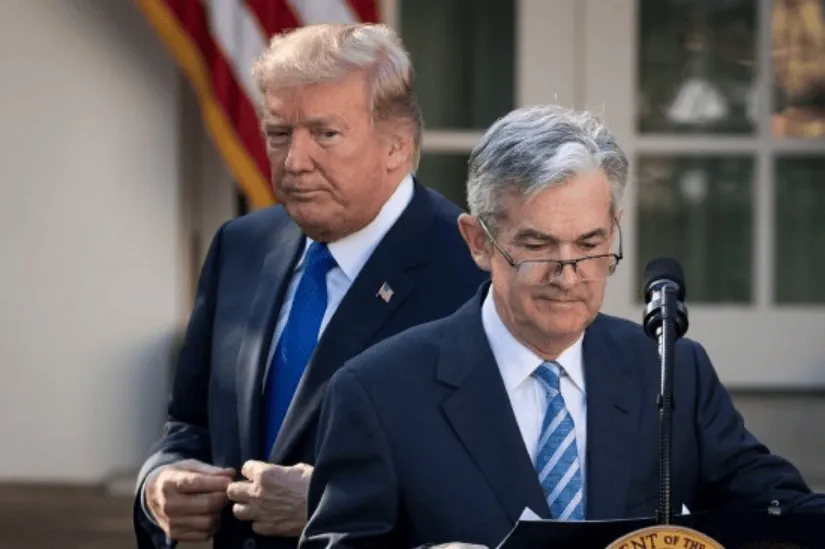
Trump recently publicly called on the Federal Reserve to cut its policy interest rate to 1% , arguing that this would lower government borrowing costs and alleviate deficit pressures caused by massive tax cuts and fiscal spending. However, the risks associated with this proposal are far more complex than initially imagined.
In a normal economic environment, the Federal Reserve lowering interest rates to 1% does not signal economic prosperity; rather, it is often a crisis response. Past examples include the aftermath of the 2003 Iraq War, the dot-com bubble burst , the 2008 financial crisis , and the 2020 COVID-19 pandemic . Deep economic recessions forced the Fed to adopt extreme easing policies.
The current situation in the United States isn't dire — with an unemployment rate of 4.1% , economic growth around 2% , and inflation at 2.5% —it's far from a recession. However, hastily lowering interest rates to 1% would likely reignite inflation expectations and undermine investors' confidence in the Federal Reserve's independence. Ernst & Young economist Gregory Daco bluntly stated, " If interest rates were cut sharply at this moment, long-term interest rates might actually rise, as the bond market fears a resurgence of inflation. "
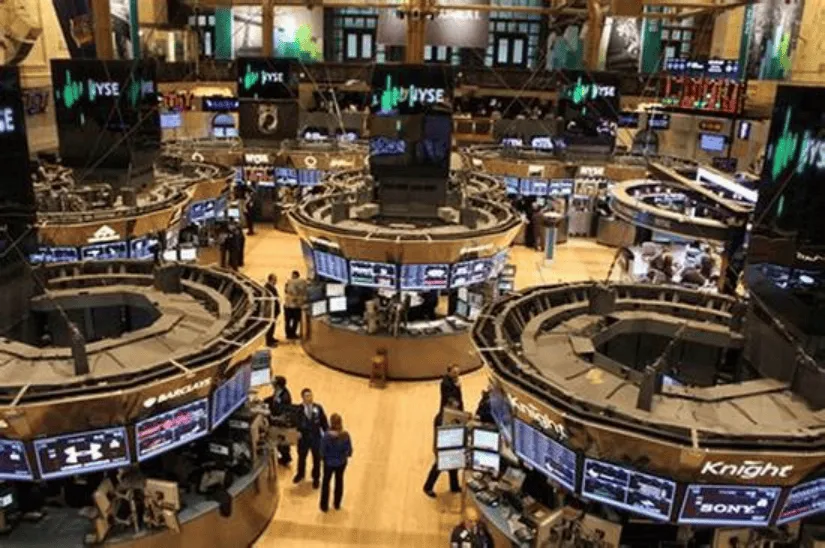
The Federal Reserve's policy rate serves as the starting point for all market interest rates , but Treasury yields are ultimately determined by supply, demand, and risk premiums . Trump's new spending plan will continue to expand the deficit, requiring the Treasury to issue more bonds. In theory, increased supply would push up yields, counteracting the intent of rate cuts.
Furthermore, the market is extremely sensitive to central bank independence . When Trump threatened to fire Federal Reserve Chairman Powell in April, bond yields immediately soared, demonstrating that capital markets vote with their feet . If investors suspect the Fed is accommodating political pressure, the dollar's credibility will also be damaged.
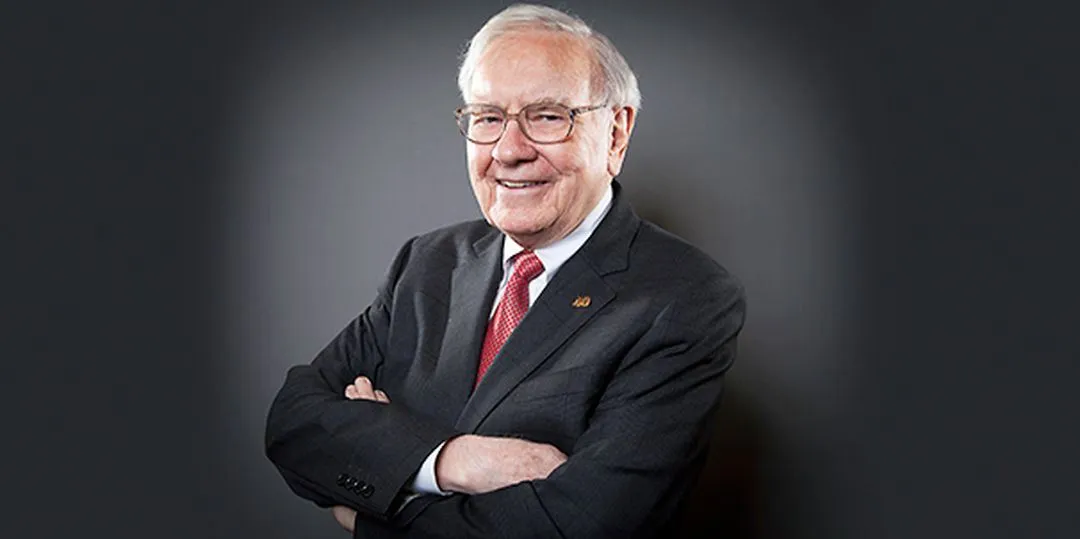
BlackRock CEO Lawrence Douglas Fink once pointed out that overly politicized monetary policy " will undermine global capital's confidence in the US market and lead to higher long-term borrowing costs . " He emphasized that what truly attracts capital is not the level of short-term interest rates, but the predictability of the system and the independence of the market.
Following the same logic, John Clifton Borg, who once led Vanguard Group to become the world's second-largest asset management firm , also warned investors not to be misled by the seemingly loose monetary environment: " Low interest rates are a stopgap measure, not a panacea for long-term growth. "
Trump's 1% interest rate proposal may ease deficit financing pressure in the short term, but based on historical experience and market logic, the risks far outweigh the benefits:
Inflation may resurface , offsetting the effect of interest rate cuts;
Confidence in the government bond market has been damaged , and long-term interest rates may invert;
The independence of the Federal Reserve has weakened , and the credit of the US dollar has come under pressure.
What investors are truly concerned about isn't the interest rate cut itself, but whether the US remains a reliable economy that respects market rules and avoids administrative intervention. As Fink put it, " Markets can forgive short-term volatility, but they won't tolerate policy uncertainty. "
The key to the future lies in whether Trump can balance political demands with market rationality, and whether the Federal Reserve can maintain its independence under pressure. For investors, understanding the underlying logic of this game is more important than focusing on interest rate figures.
BrokerHivex is a financial media platform that displays information from the public internet or user-uploaded content. BrokerHivex does not support any trading platform or instrument. We are not responsible for any trading disputes or losses arising from the use of this information. Please note that the information displayed on the platform may be delayed, and users should independently verify its accuracy.