BrokerHiveXBrokerHiveXBrokerHiveX
Summary:The Japanese Senate election dealt a heavy blow to the ruling coalition, with Prime Minister Shigeru Ishiba losing control of the Senate. Political uncertainty has increased significantly at a critical juncture in tariff negotiations with the United States. The yen and Nikkei futures strengthened in the short term, but the bond market was under pressure, the long-term yield curve continued to steepen, and concerns about fiscal deficits and policy paralysis made investors cautious. #JapanesePoliticalSituation#TariffNegotiations#YenVolatility#FiscalDeficit#InvestorSentiment

Japan's Senate election on Sunday became an important node in changing the political landscape. The ruling coalition lost its majority, further weakening Prime Minister Shigeru Ishiba's grip on power. Although Ishiba vowed at a press conference to remain in office and maintain his position before the tariff negotiations with US President Donald Trump on August 1, doubts have been raised within and outside the party, and the opposition is considering a motion of no confidence. This political turmoil occurred at a time when the economic environment is already tense, which undoubtedly adds uncertainty to the situation.
The market initially showed some hedging sentiment. The Japanese stock market was closed for the holiday and there was no direct fluctuation for the time being, but the Nikkei futures rose slightly and the yen strengthened in the short term, indicating that some election results had been digested in advance. However, the calm is only an appearance. The yield of Japanese government bonds has fluctuated sharply due to concerns. The yield of 30-year government bonds hit a record high and the yield curve continued to steepen. If the ruling coalition fails to rebuild its ruling foundation, the direction of fiscal policy and debt management will become more difficult to predict.
The short-term focus is on tariff negotiations and the implementation path of fiscal policy. If the opposition promotes tax cuts and welfare spending, Japan may need to issue more government bonds to fill the gap, and its debt level has reached 2.5 times of GDP, and the long-term fiscal risk is extremely prominent. Barclays analysts estimate that if the consumption tax is reduced by 5 percentage points, the yield on 30-year government bonds will rise by another 15 to 20 basis points, pushing up financing costs. Rong Ren Goh, portfolio manager at Eastspring Investments, pointed out that investors will not rashly bet on the loss-making transactions of the coalition government, but will wait for the progress of negotiations and the formation of a new coalition before re-arranging.
Against this backdrop, investor sentiment has become cautious, with some market participants worried that if Ishiba Shigeru resigns or an early election is held, it could trigger an acceleration in foreign funds selling Japanese stocks and the yen, leading to a new round of market volatility. The yen has fluctuated wildly in the range of 140 to 160 against the dollar this year. It briefly rebounded due to the Bank of Japan's interest rate hike, but it has once again fallen into hesitation under the dual pressures of political uncertainty and blocked tariff negotiations. At the same time, the dollar index rose by more than 11% after Trump announced global tariffs, further exacerbating the pressure on the yen to depreciate.
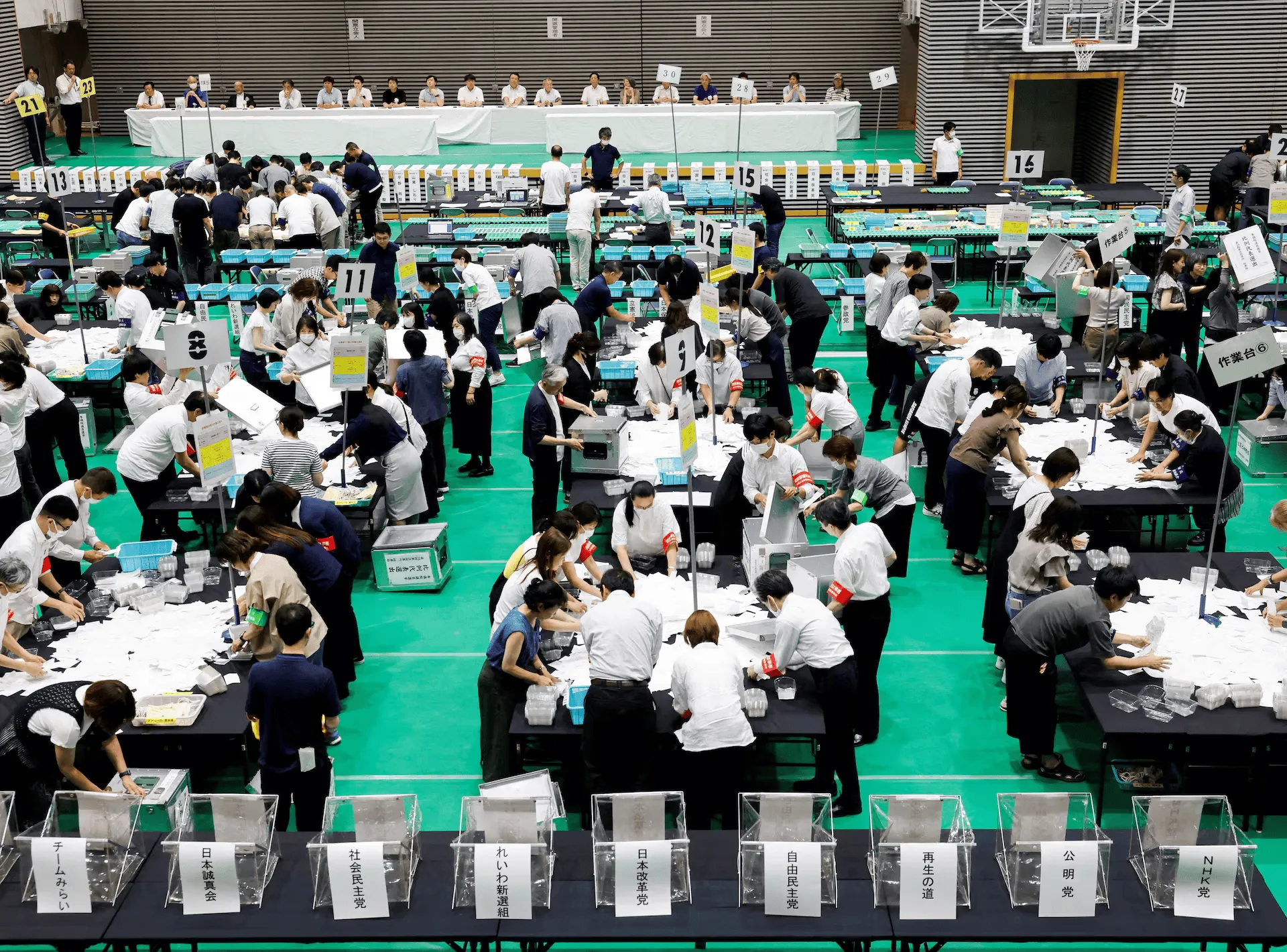
The next few weeks will be a critical window for the market to see whether the LDP seeks to form an alliance with the Democratic Party for the People (DPP) or other parties to maintain a minority government, or compromises to promote tax cuts and monetary easing. If the political situation continues to be turbulent, Japan's fiscal stimulus and trade negotiations will be delayed, and investors will face higher uncertainty. Mizuho Securities Chief Strategist Omori Akiki said that forced leadership changes in the short term are unlikely, but the autumn parliament is the real time to observe whether the fiscal supplementary budget will be introduced.
If there is an unexpected policy shift, it may trigger a new round of market volatility, especially the risk of sharp adjustments in the yen and government bond markets. For foreign exchange traders and long-term funds, it is more appropriate to adopt a wait-and-see strategy rather than risk chasing highs, and wait until the policy and political situation become clearer before making arrangements.
BrokerHivex is a financial media platform that displays information from the public internet or user-uploaded content. BrokerHivex does not support any trading platform or instrument. We are not responsible for any trading disputes or losses arising from the use of this information. Please note that the information displayed on the platform may be delayed, and users should independently verify its accuracy.