BrokerHiveXBrokerHiveXBrokerHiveX
Summary:China kept the one-year and five-year loan prime rates (LPR) unchanged, in line with market expectations. Second-quarter economic data was slightly better than expected, indicating that recovery is still ongoing, but weak domestic demand and continued deflationary pressures keep expectations of future easing. Investor sentiment is cautious, and the market is paying attention to the upcoming Politburo meeting to judge the strength and direction of economic policies in the second half of the year. #ChinaLPR #EconomicRecovery #DeflationPressure #DomesticDemandWeakness #MonetaryPolicyExpectations
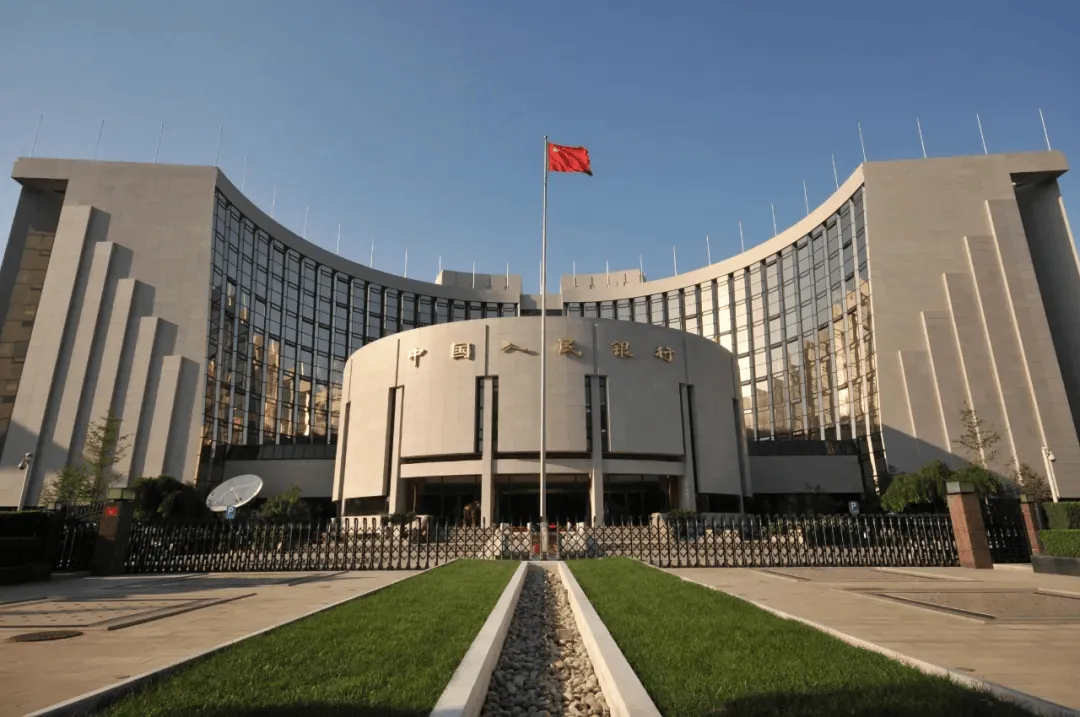
China's recently released second-quarter economic data was slightly better than expected, with the one-year loan market benchmark rate (LPR) remaining at 3.0% and the five-year LPR at 3.5%, in line with market expectations. A Reuters survey of 20 market participants showed that all predicted that the interest rate would not change this time. LPR is a key benchmark for loan pricing in China. The one-year interest rate affects new loans and corporate financing costs, while the five-year interest rate is closely related to the real estate market and directly affects mortgage rates.
The slower-than-expected slowdown in the second quarter shows that China's economy has to some extent withstood the impact of US tariffs and global trade risks. However, analysts generally warn that weak domestic demand remains the biggest shortcoming of the recovery, coupled with rising global trade uncertainty, Beijing may face pressure to continue to introduce stimulus measures in the future. In particular, the deflation of the producer price index (PPI) in June deepened further, reaching the highest level in nearly two years, and the deflationary environment still restricts corporate profitability and investment willingness.

Although there is no urgency to immediately ease monetary policy in the short term, the market expects more easing measures later this year to offset continued weak domestic demand and external pressures. Investors' attention has turned to the Politburo meeting later this month, which will determine the tone and intensity of economic policies in the second half of the year. If the policy signal is biased towards stabilizing growth, it may boost risk appetite, but if the government remains on the sidelines, the market may face confidence fluctuations again.
From the perspective of investors, it is not surprising that the LPR remains unchanged, but structural economic problems still make people cautious. On the one hand, slightly better-than-expected economic data eased short-term market panic; on the other hand, continued deflation and weak demand make it difficult for the market to optimistically interpret the policy choice of "no interest rate cut". At present, the capital market remains loose and short-term liquidity pressure is limited, but if the Politburo meeting fails to release clearer support signals, the stock and bond markets may find it difficult to sustain a rebound.
BrokerHivex is a financial media platform that displays information from the public internet or user-uploaded content. BrokerHivex does not support any trading platform or instrument. We are not responsible for any trading disputes or losses arising from the use of this information. Please note that the information displayed on the platform may be delayed, and users should independently verify its accuracy.