BrokerHiveXBrokerHiveXBrokerHiveX
Summary:Musk's brain-computer interface company Neuralink expects to implant brain chips in 20,000 patients annually by 2031, with revenue reaching $1 billion (Source: Bloomberg). The company plans to launch three core devices, including "Telepathy" for brain-computer communication, "Blindsight" for restoring vision, and "Deep" for treating Parkinson's disease, and to operate five large clinics in the next six years. Despite the attractive prospects, regulatory approval, technical safety, and Musk's consistent "delayed payment record" have left investors with doubts. #Musk#NeuralinkBrain-Computer Interface#Medical Technology#AIBiofusion#Investment Prospects
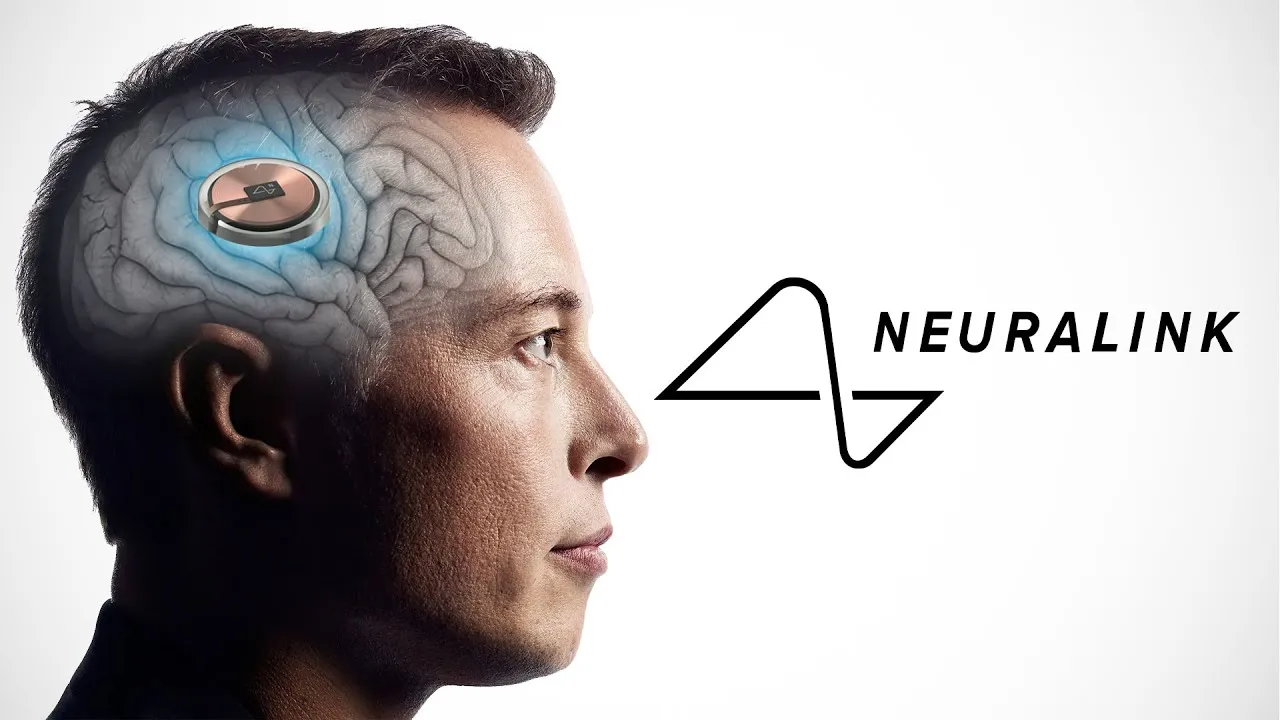
According to investor documents disclosed by Bloomberg, Neuralink plans to open five large clinics in the next six years and launch at least three brain-computer interface devices:
Telepathy (brain-computer communication chip): helps paralyzed patients control computers and robotic arms with their thoughts, directly realizing data interaction between the brain and the machine.
Blindsight (vision restoration chip): For blind patients, it restores the signal connection between the retina and the cerebral cortex, allowing the blind to see again.
Deep (neuromodulatory chip): used to alleviate neurological diseases such as Parkinson's disease and tremors.
According to internal projections, Telepathy will be the first to receive FDA approval in 2029, with annual operations expected to reach 2,000 and revenue exceeding $100 million. By 2030, with the launch of Blindsight, annual surgeries will reach 10,000, with revenue exceeding $500 million. Ultimately, by 2031, the company aims to achieve 20,000 implants and $1 billion in revenue (approximately NT$29.3 billion).
This means that each operation costs about US$50,000 (NT$1.465 million), which is much higher than traditional surgery. However, there is still huge potential for improving the demand for patients with serious illnesses such as paralysis and blindness.
Currently, fewer than 10 patients have publicly used Neuralink devices, primarily paralyzed individuals in clinical trials, enabling them to browse the web, play games, and perform basic human-computer interactions using their thoughts (Source: Neuralink official website). Additionally, the company is testing visual implants on monkeys, but has yet to successfully restore vision or treat Parkinson's disease.
Similar to Neuralink, several US BCI companies (such as Synchron and Blackrock Neurotech) are also developing implantable devices that stimulate the brain or read brain signals. However, the FDA has yet to approve any BCIs for permanent implantation in the human body. Regulators still require extensive safety and long-term efficacy data to verify the feasibility of the technology.
This high-tech field, which integrates AI, medicine, and neuroscience, has huge theoretical potential, but requires technological breakthroughs, regulatory relaxation, and ethical consensus to achieve scale.
Musk is known for his world-changing technology, claiming Neuralink can not only cure diseases and save lives but also enable a symbiotic relationship between humans and AI. However, his record of missed deliveries has made investors wary. In 2015, Musk promised Tesla would achieve fully autonomous driving within three years, but the goal was repeatedly delayed, with the Robotaxi pilot program not launching until 2025 (source: public information).
This ambitious timeline often seems more like a marketing vision to attract capital and talent than a strict execution plan. Investors are concerned about whether Neuralink can overcome the three major hurdles of technical verification, FDA approval, and ethical controversy by 2031.
According to PitchBook data, Neuralink has raised $1.3 billion in funding, with a valuation of $9 billion, making it the most funded and highly regarded player in the brain-computer interface field. However, competitor Synchron, which completed its first FDA-approved cerebrovascular implant (non-permanent) in 2023, has a more conservative technology approach but is rapidly gaining adoption.
Neuralink's strengths lie in its advanced technology and the influence of Musk's brand. However, its weaknesses include higher risks, stricter regulations, and the difficulty of mass production. If successful, it could create a new market worth tens of billions of dollars; if unsuccessful, it could become another "tech concept stock bubble."
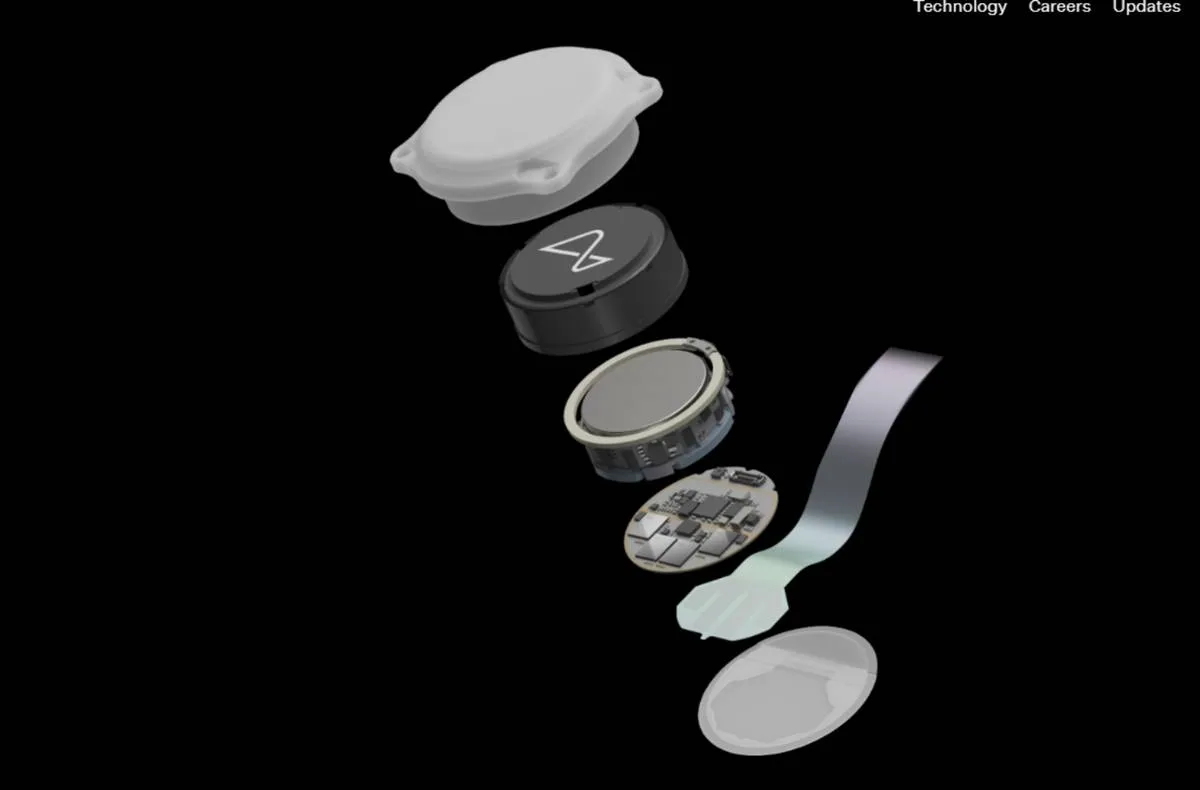
For investors, Neuralink is a double-edged sword:
Optimists: This is the ultimate revolution in the integration of future medical technology and AI. Whoever can break through first will be the next "Tesla-level" unicorn.
The cautious group: This is a high-risk, long-term bet. The supervision, ethics, mass production and business model have not been verified, and it is difficult to see returns in the short term.
In the short term, Neuralink is more of a symbol of future technology and a speculative target. Its long-term value depends on whether the technology can be truly implemented and whether Musk can fulfill his promise.
Want to be the first to grasp global market trends and investment opportunities? Follow us at BrokerHivex for the latest in-depth analysis and real-time information!
BrokerHivex is a financial media platform that displays information from the public internet or user-uploaded content. BrokerHivex does not support any trading platform or instrument. We are not responsible for any trading disputes or losses arising from the use of this information. Please note that the information displayed on the platform may be delayed, and users should independently verify its accuracy.