BrokerHiveXBrokerHiveXBrokerHiveX
Summary:Despite pressure from President Trump and mixed economic data, the Federal Reserve is expected to keep interest rates unchanged at this week's meeting. Strong consumer spending contrasts sharply with weak housing construction, and two board members may offer a rare dissenting stance on current policy, highlighting internal divisions. Markets are closely watching the Fed's statement for hints on the path of future rate cuts. #FederalReserveRate #TrumpPressure #DivergentEconomicData #ConsumerSpending #FedMeeting
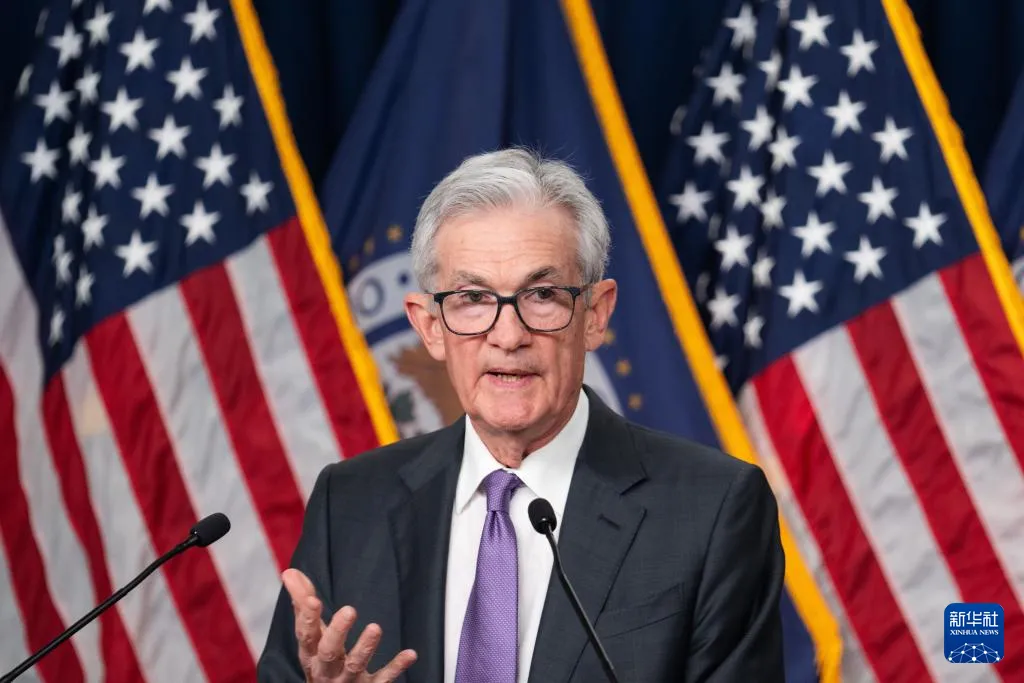
The U.S. Federal Reserve held its policy meeting this week, July 29, 2025, and is expected to maintain its benchmark interest rate in the 4.25%-4.50% range (data source: Reuters). Despite pressure from former President Trump for a rate cut, Fed Chairman Powell and most of the board remain on the sidelines, awaiting further adjustments after assessing economic data.
However, this meeting may see a rare "double board member opposition" situation since 1993. Nomura Securities predicts that Federal Reserve Board Governor Christopher Waller and Vice Chairman for Supervision Michelle Bowman may oppose maintaining interest rates and advocate a quick rate cut.
US economic data showed that consumer spending remained strong, with retail sales growth exceeding expectations in June (Source: JPMorgan Chase Research Institute), while bank credit data rebounded, indicating an improvement in household cash reserves. However, this was in stark contrast to the weakness in the construction, housing, manufacturing, and business investment sectors.
New housing starts hit a one-year low, and construction spending has fallen for nine consecutive months (data source: U.S. Department of Commerce).
The duration of unemployment benefits has been extended, and the labor market recovery has been uneven, mainly supported by parts of the service industry.
These signals have heightened market uncertainty about the Fed's interest rate path.
Although the United States, the European Union, and Japan have reached an agreement to set tariffs at 15%, the overall tariff rate, which is above historical lows, remains a concern for policymakers. The annualized CPI rate reached 3.5% in June, with significant price increases in categories such as furniture and clothing (Source: U.S. Department of Labor).
More importantly, Trump made a rare visit to the Federal Reserve headquarters last week and reiterated his hope that the Fed would cut interest rates to "stimulate the economy to take off like a rocket." Although his remarks were cautiously addressed by the Fed, political interference may increase the challenges of Fed policy transparency.
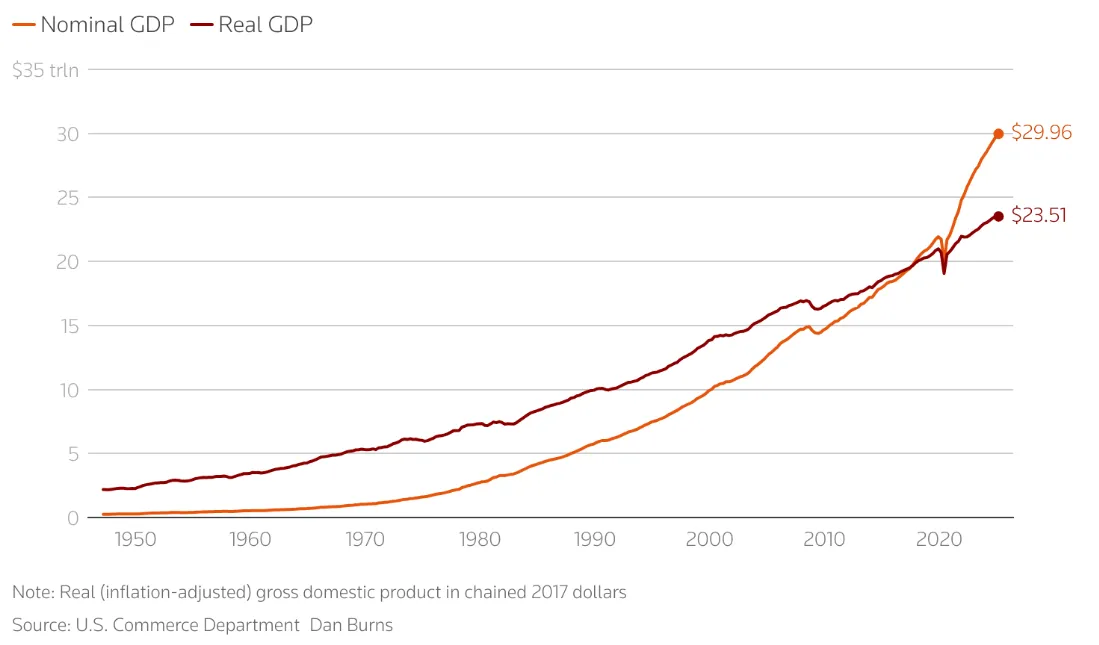
Although second-quarter GDP is expected to exceed $30 trillion in nominal output for the first time (source: U.S. Department of Commerce forecast), some of the growth is due to companies front-loading imports ahead of tariff increases, rather than a steady expansion.
"High tariffs, shrinking immigration and policy uncertainty are combining to suppress employment and business investment," said Ernst & Young economist Daco.
Faced with a macroeconomic environment characterized by diverging economic data and an ambiguous policy outlook, investors should avoid emotional trading and maintain strategic focus. Currently, the Federal Reserve's interest rate trajectory remains constrained by the dual constraints of inflationary pressures and slowing growth, leading to heightened market volatility. Against this backdrop, investors can focus on medium- and long-term fundamentals and adopt a prudent yet flexible asset allocation approach, balancing a diverse portfolio of stocks, bonds, cash, and commodities to maintain portfolio flexibility while mitigating potential drawdowns. At the same time, investors should closely monitor the gap between policy statements and expected interest rate fluctuations, and dynamically adjust their positions based on their risk tolerance. Adequate liquidity, moderate leverage, and a diversified portfolio are the most prudent defensive strategies in this complex cycle.
Against the backdrop of stubborn inflation, labor polarization, and declining housing prices, any decision made by the Federal Reserve will affect the nerves of global markets.
Want to be the first to grasp global market trends and investment opportunities? Follow us on BrokerHiveX for the latest in-depth analysis and real-time information!
BrokerHivex is a financial media platform that displays information from the public internet or user-uploaded content. BrokerHivex does not support any trading platform or instrument. We are not responsible for any trading disputes or losses arising from the use of this information. Please note that the information displayed on the platform may be delayed, and users should independently verify its accuracy.