BrokerHiveXBrokerHiveXBrokerHiveX
Summary:Former President Trump recently announced that the United States will impose tariffs of up to 100% on imported chips not produced domestically, targeting unfriendly producers like China. Although the announcement has not yet officially taken effect, this move could reshape the global semiconductor supply landscape, benefiting companies like Nvidia with factories in the US while also increasing market pressure on Chinese companies like SMIC and Huawei. #TrumpTariffs #ChipPolicy #China-USTrade #SemiconductorManufacturing #NvidiaGood
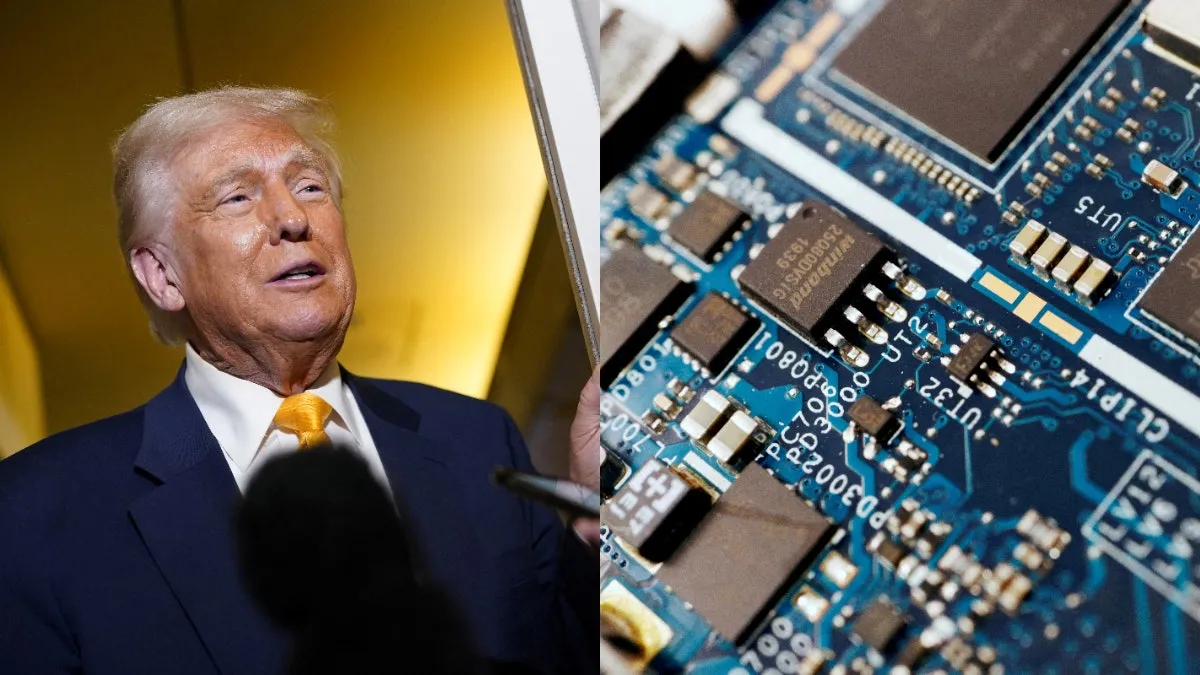
On August 6, 2025, former US President Trump publicly announced at the White House that tariffs of up to 100% would be imposed on all imported chips from countries without US manufacturing facilities. This move was interpreted as another key step in the US's manufacturing-first strategy. Although not formally a policy, its political implications and potential economic impact have drawn significant market attention.
Trump explicitly stated that companies that have already established or committed to building factories in the US will be exempted. For example, Taiwan Semiconductor Manufacturing Co. (TSMC, 2330.TW) has multiple wafer fabs in the US, and its major customer, NVIDIA (NVDA.O), is expected to avoid the cost pressures of the new policy. NVIDIA has announced hundreds of billions of dollars in investments in recent years to expand production capacity in the US.
"This will further amplify the competitive advantages of leading companies and truly usher in an era where 'the biggest get bigger, the bigger gets bigger,'" said Jacobsen, chief economist at investment firm Annex Wealth Management.
In contrast, Chinese chip companies like SMIC and Huawei, which lack US exemptions, are likely to be directly affected by potential tariffs. These companies' products primarily enter the US market through equipment assembled in China, making it significantly more difficult for them to export once tariffs are implemented.
Joe Zempa, a scholar at the Peterson Institute for International Economics, pointed out: "Without clear itemized tariffs, the overall impact may be limited, but the signal is significant. The market will quickly adjust its positions in response."
Amidst the reshaping of the global trade landscape, the United States has reached a preliminary agreement on tariffs with major semiconductor exporting economies, including South Korea, Japan, and the European Union. EU products will enjoy a uniform 15% tariff, while South Korea and Japan have reached agreements with the United States to ensure their tariffs are no less favorable than those of other countries.
The $52.7 billion chip bill promoted by the Biden administration in 2022 has prompted five of the world's leading semiconductor companies to build factories in the United States. Although the United States' chip production in 2024 accounted for only 12% of the world's total, it was higher than the lowest point in recent years, indicating that the "industrial repatriation" policy has begun to show results.
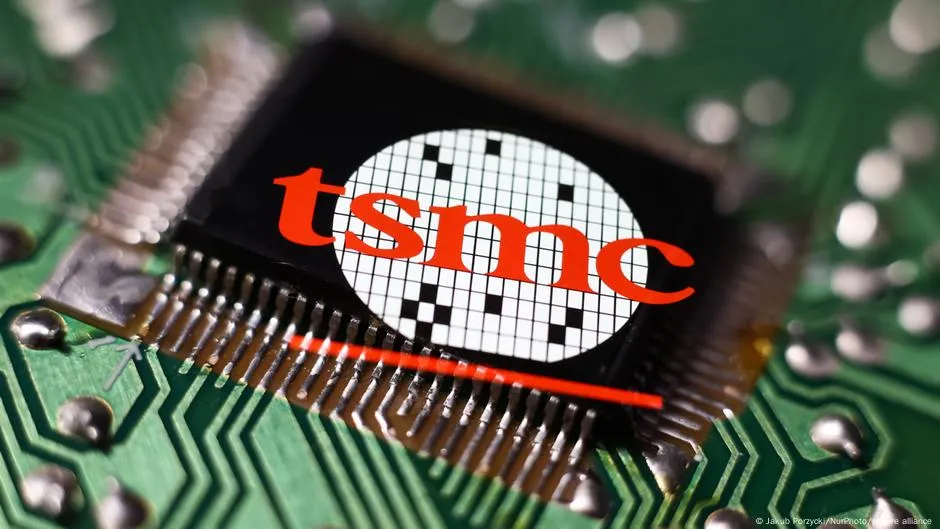
The current situation once again reminds the market that global supply chain security has become a national strategic priority for all countries. The US, through its "build-a-factory-in-exchange" policy, is promoting the localization of semiconductors. Tech blue-chip companies with US production capabilities are therefore expected to enjoy a valuation premium. For some Chinese companies, higher trade barriers will directly reduce their overseas business opportunities, posing challenges to their medium- and long-term profitability.
Against this backdrop, investors can focus on leading technology companies with localized production capacity and exemptions, as well as Asian tech companies with the ability to de-Americanize and steadily expand in diverse markets. Furthermore, the rebalancing of the global supply chain will generate new investment opportunities, particularly in semiconductor equipment manufacturing and materials, which may usher in a new window of structural growth. These sectors offer medium- to long-term investment value and warrant close monitoring.
The global chip war is no longer just a battle of technology, but also a stage for the struggle between policy and capital.
Want to be the first to grasp global market trends and investment opportunities? Follow us on BrokerHiveX for the latest in-depth analysis and real-time information!
BrokerHivex is a financial media platform that displays information from the public internet or user-uploaded content. BrokerHivex does not support any trading platform or instrument. We are not responsible for any trading disputes or losses arising from the use of this information. Please note that the information displayed on the platform may be delayed, and users should independently verify its accuracy.