BrokerHiveXBrokerHiveXBrokerHiveX
Summary:In the high-stakes world of forex trading, the difference between consistent profits and chronic losses often comes down to one key factor: trading psychology. While technical analysis and a solid forex strategy are essential, it's the ability to master emotions—fear, greed, hope, and regret—that truly sets successful traders apart.
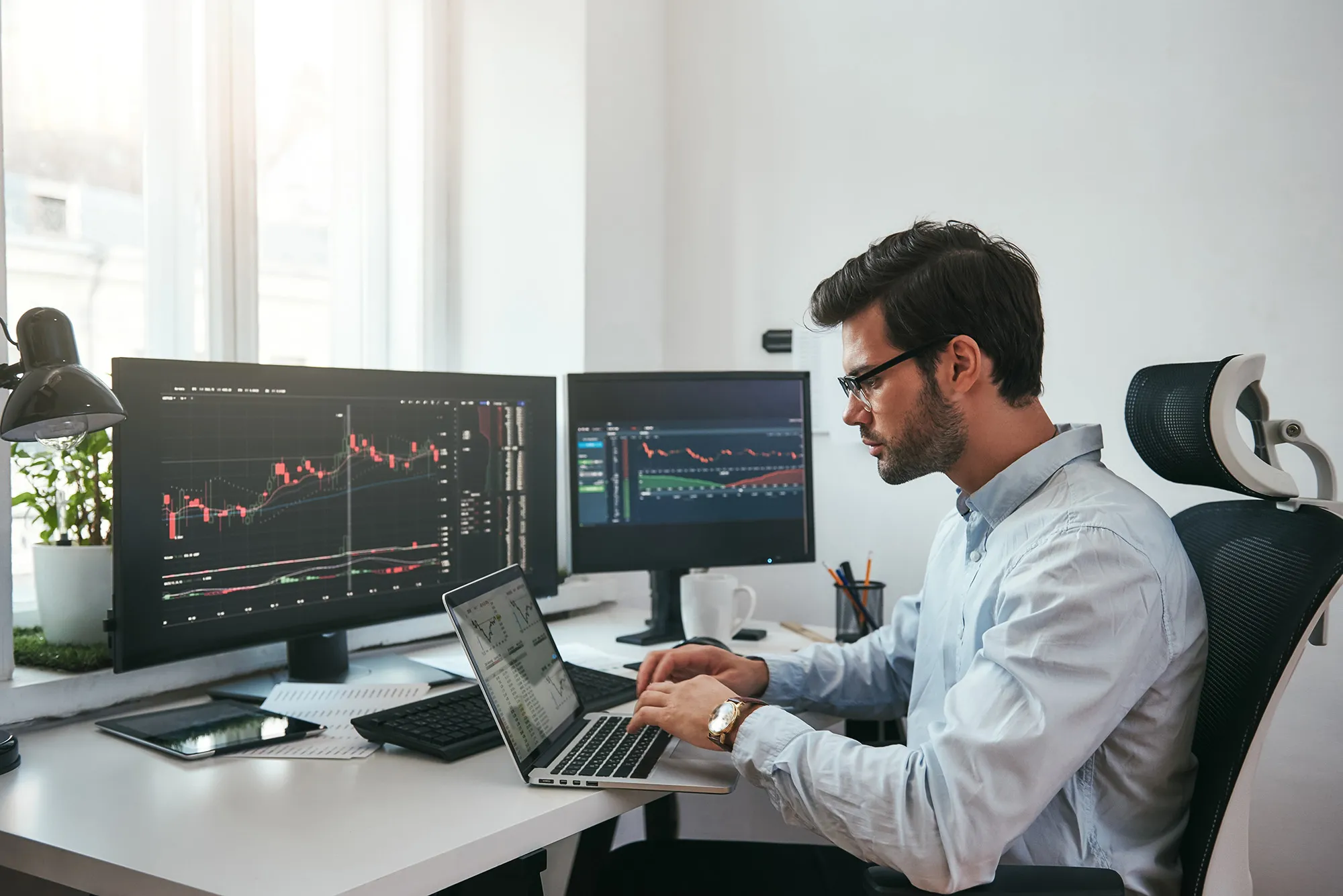
In the high-stakes world of forex trading, the difference between consistent profits and chronic losses often comes down to one key factor: trading psychology . While technical analysis and a robust forex strategy are essential, what truly sets successful traders apart is their ability to master emotions—fear, greed, hope, and regret. Numerous studies and real-world examples confirm that emotional control is more than just a "soft skill"; it's a decisive advantage in the market.
For example, a detailed case study on LinkedIn notes that a trader named John achieved a 20% annualized return by systematically managing his emotions, far exceeding the market average return of 10%. This isn't an isolated case. Dukascopy research indicates that trading is "10% strategy and 90% psychology," with fear and greed being the primary challenges.
As an authoritative source for global forex broker rankings, regulatory data, and expert insights, BrokerHiveX is dedicated to helping traders embark on the path to emotional mastery. This article will explore the theoretical foundations of trading psychology, present real-world case studies, offer practical techniques for managing emotions, review how trading platforms can support emotional management, and share expert insights to improve your trading mindset.
“Trading is 10% strategy and 90% psychology” is more than just a cliché; it reflects the reality traders face every day ( Dukascopy ). Fear, greed, hope, and regret are ever-present and influence risk-taking, entry and exit timing, and trade management.
Fear can cause traders to miss out on opportunities or hold onto losing trades longer than they should. OANDA notes that fear often leads to premature closing of profitable trades or a reluctance to cut losses.
Greed drives traders to stay in profitable trades too long, adjust profit targets irrationally, or over-leverage, thereby taking unnecessary risk ( OANDA ).
Hope and regret can cloud judgment, leading to holding onto losing trades or making impulsive trades in an attempt to make up for past mistakes.
If these emotions are not controlled, even the strongest forex strategy will be weakened.
Behavioral finance identifies several biases that distort traders’ cognition and decision-making:
Cognitive biases :
Confirmation bias : Seeking information that supports existing views
Overconfidence bias : Overestimating one's ability to predict market trends
Anchoring effect : Over-reliance on first-acquired information
Hindsight bias : The belief that an event was predictable after it has occurred ( Investopedia )
Emotional bias :
Loss aversion : fear of losses outweighs the value of gains of equal value
Regret aversion : Avoiding actions that might lead to regret, even if they are rational.
Fear and Greed : As mentioned above, this is the most common emotion driving market movements ( Dukascopy )
These biases can distort market analysis and lead to irrational and inconsistent trading decisions.
Behavioral finance provides a framework for understanding why traders often act against their own interests, emphasizing the importance of self-awareness and emotional regulation in overcoming these biases. By identifying these psychological traps, traders can implement strategies to mitigate their effects, such as keeping a trading journal, mindfulness meditation, and adhering to a strict trading plan.
Successful traders are not immune to emotions; rather, they develop the psychological traits and habits to effectively manage them:
Discipline : Adherence to trading plans and rules even when emotions drive the opposite
Patience : Wait for the best trading opportunities and avoid chasing rising and falling prices
Emotional resilience : Staying calm under pressure and market volatility
Adaptability : Adjust strategies based on market changes
Self-Awareness : Identifying Emotional Triggers and Cognitive Traps (Medium )
These traits are not innate but developed through experience, reflection and continuous learning.
The most successful traders view trading as a lifelong learning process, regularly reviewing their performance, seeking feedback, and adapting to new market conditions. Setting clear goals and effectively managing time can help maintain psychological stability and long-term profitability (Medium ).
John, a forex trader with five years of experience, initially struggled with fear, greed, and impulsiveness. His early mistakes included overtrading, revenge trading after losses, and ignoring stop-loss orders—typical signs of poor emotional control ( LinkedIn ).
To improve, John adopted the following strategies:
Develop and adhere to a trading plan : clearly define entry and exit criteria, risk management rules, and review processes
Set stop-loss and take-profit orders : Define parameters before entering the market to reduce the temptation to make impulsive decisions
Take regular breaks : When you notice signs of stress, take the initiative to step away from the screen and adjust your mindset.
Keep a trading journal : Record your trades, emotions, and decision-making processes in detail to help identify patterns and triggers
The results were remarkable. John achieved a 20% annualized return, significantly exceeding the market average of 10%. More importantly, his trading consistency improved significantly, and his emotional errors decreased significantly. This experience demonstrates the immense value of disciplined emotional control for successful trading ( LinkedIn ).
Choosing a regulated and reliable broker is essential for a stable trading experience. A broker's transparency, execution quality, and regulatory oversight can reduce the stress of slippage, requotes, and potential fraud. BrokerHiveX's global forex broker rankings provide comprehensive and up-to-date information to help traders make informed choices.
Modern trading platforms offer a range of risk management tools that can act as an emotional safety net:
Stop-loss and take-profit orders : Automate exit points and reduce the interference of fear and greed
Daily loss limit : Set the maximum daily loss limit to prevent emotional outbursts after consecutive losses
Position management tools : such as position calculators and margin controls, to prevent over-holding and the resulting psychological stress ( Dukascopy )
Some platforms, such as IG Group, offer psychological statistics and trading analytics to help traders review their emotional patterns and performance data. Automated trading systems (EAs) can also execute trades based on pre-set conditions, further reducing emotional interference. For more information on brokers' features and regulatory status, please consult the BrokerHiveX regulatory database .
A well-structured trading plan is the cornerstone of emotional control and should include:
Clear entry and exit criteria : Define technical or fundamental signals that trigger trades
Risk management rules : limit single risk to 1%-2% of funds to avoid major losses
Regular review and adjustment : Regularly evaluate the effectiveness of the plan and make necessary adjustments ( LinkedIn )
Trading journal : Record trades and related emotions to help identify recurring patterns and triggers
Mindfulness and meditation : Improve focus, reduce anxiety, and improve decision-making under pressure
Identifying and mitigating emotional behavior : Being aware of actions driven by fear, greed, or hope is the first step to control ( Investopedia )
Filtering news and social media : Avoiding impulsive reactions caused by information overload
Set realistic expectations : Understand that losses are part of trading and focus on long-term performance
Work-life balance : Schedule regular breaks and maintain a healthy sleep schedule to prevent burnout
Legendary trader Stanley Druckenmiller believed that market participants' emotional fluctuations are inherently valuable trading signals. He achieved stable long-term returns by combining macroeconomic judgment, strict risk control, and emotional discipline. This philosophy emphasizes the integration of emotional awareness and strategic execution.
Top traders use their understanding of cognitive biases to optimize their decision-making. By identifying tendencies like overconfidence or loss aversion, they use risk management as a psychological buffer to ensure emotions don’t derail their strategies ( Investopedia ).
BrokerHiveX helps traders make rational, data-driven decisions and improve their emotional control through platform tools by providing authoritative broker rankings , regulatory transparency information , expert analysis, and real-time market news .
Emotional control is crucial to successful forex trading, even more important than technical ability.
Psychological traits such as discipline, patience and resilience are the watershed of successful traders
Trading plans, risk management, journaling, and mindfulness exercises are core strategies for emotional control.
The right trading platform and tools can significantly enhance psychological stability
To take your trading to the next level, you can leverage BrokerHiveX’s core resources:
Global Forex Broker Rankings : Find a regulated, reliable broker to help you stay confident in your trading
Financial News : Get real-time market updates and expert analysis
Regulatory Database : Verify the broker's compliance and regulatory status
Remember, emotional control is an ongoing process. Combining learning, self-awareness, and disciplined practice with authoritative tools and sharing your experiences can help build a more resilient community of traders.
Disclaimer : Forex trading involves significant risk. The strategies and examples presented in this article are for educational purposes only and do not guarantee future results. Please always perform your own due diligence and consider seeking independent financial advice.
BrokerHivex is a financial media platform that displays information from the public internet or user-uploaded content. BrokerHivex does not support any trading platform or instrument. We are not responsible for any trading disputes or losses arising from the use of this information. Please note that the information displayed on the platform may be delayed, and users should independently verify its accuracy.