BrokerHiveXBrokerHiveXBrokerHiveX
Summary:After Coinbase faced infiltration threats from North Korean hackers, CEO Brian Armstrong announced strengthened security policies, including restricting remote worker qualifications, strengthening identity verification, and on-site training.
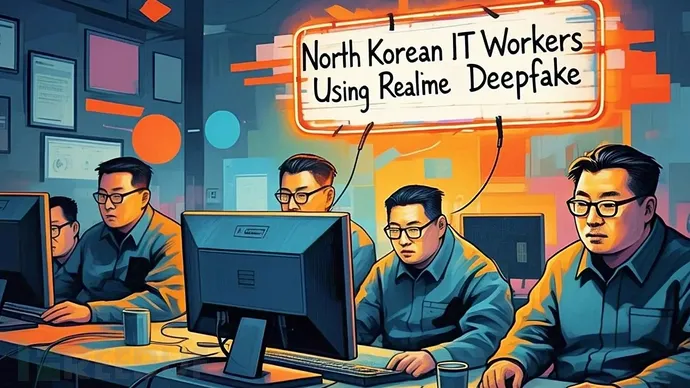
Coinbase, the world's third-largest cryptocurrency exchange by trading volume, recently faced infiltration threats from North Korean hackers. According to CEO Brian Armstrong's revelation on the Cheeky Pint podcast, North Korean IT personnel are exploiting remote work policies to attempt to access Coinbase's systems (Cointelegraph, August 2025). This organized hacking campaign highlights the nation-state's interest in crypto assets.

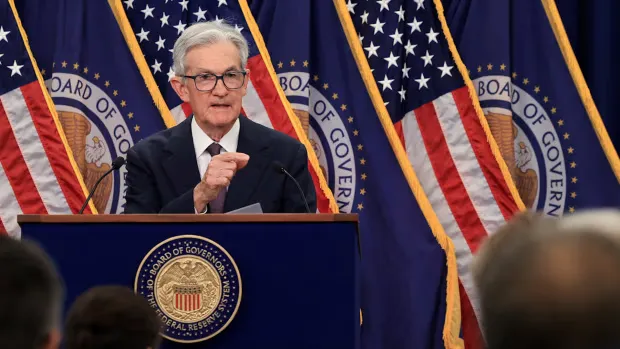
Brian Armstrong on the Cheeky Pint Podcast
In response to the threat, Coinbase announced the implementation of stricter security policies:
On-site training in the United States: All employees must complete training in the United States.
Restricted access to sensitive systems: Positions involving core data and systems are limited to U.S. citizens.
Strengthen identity authentication: Introduce biometric authentication methods such as fingerprint recognition.
Armstrong said North Korea trains hundreds of hackers every quarter to carry out such missions, many of whom are forced to participate because their families are threatened.
This isn't the first time Coinbase has been embroiled in a security controversy. In May of this year, Coinbase confirmed that less than 1% of its trading user data had been compromised, potentially resulting in $400 million in damages (Cointelegraph, May 15, 2025). Industry insider Michael Arrington (founder of TechCrunch) noted that the compromised data, including home addresses and account balances, resulted in "significant human costs" and could even lead to physical attacks.
Meanwhile, research by Mailsuite shows that Coinbase is the most frequently impersonated brand among US crypto companies, having been used in 416 phishing scams over the past four years. This has undoubtedly heightened investor concerns.
Faced with hacker threats and data leaks, investor sentiment is shifting from concern to caution.
Increased sense of unease: Users worry that security risks in exchanges may lead to dual risks to funds and privacy.
Trust is tested: Frequent security incidents have weakened Coinbase's halo as a "compliant exchange."
Rationality and calmness: Some investors believe that industry reshuffles will drive higher compliance and safety thresholds, and help the market mature in the long run.
In this context, investors need to remain calm and neither blindly sell assets out of panic nor ignore the importance of platform compliance and security.
Prioritize compliant platforms: Before opening an account, verify the exchange's license through the official websites of the US SEC, FinCEN, or other financial regulatory agencies.
Diversify risks: Avoid concentrating all funds on a single platform and use cold wallets to protect long-term assets.
Monitor developments: Follow Coinbase's implementation of subsequent security measures and assess their impact on market confidence.
Be cautious of any emails, links, or investment recommendations that appear to be from Coinbase.
Coinbase's security incident once again reminds investors: Behind the rapid development of the encryption market, security and compliance are the foundation that determines long-term confidence.
Want to be the first to grasp global market trends and investment opportunities? Follow us on BrokerHiveX for the latest in-depth analysis and real-time information!
BrokerHivex is a financial media platform that displays information from the public internet or user-uploaded content. BrokerHivex does not support any trading platform or instrument. We are not responsible for any trading disputes or losses arising from the use of this information. Please note that the information displayed on the platform may be delayed, and users should independently verify its accuracy.