BrokerHiveXBrokerHiveXBrokerHiveX
Summary:South Korea's parliament passed new union rules that expand protections for subcontracted workers, allowing their unions to make demands directly to client companies while limiting employers' rights to seek compensation for strikes. This move, known as the "Yellow Envelope Bill," represents a major shift in South Korea's labor protection policy, but it has also sparked concerns among businesses about the investment environment and labor-capital relations. #KoreaLaborLaw #UnionProtection #YellowEnvelopeBill #LaborRelations #InvestmentEnvironment
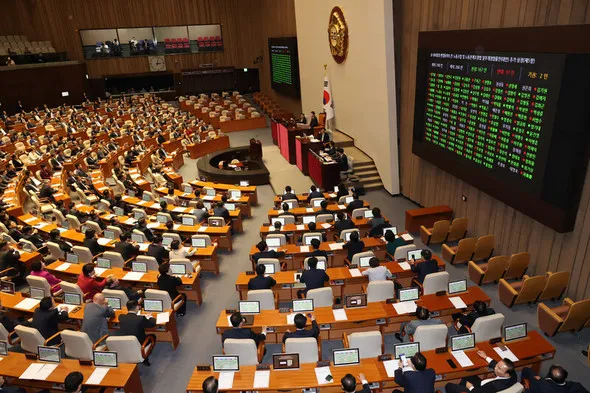
On August 24, South Korea's parliament passed new union rules expanding legal protections for subcontracted workers. The bill amended the Labor Union and Labor Relations Adjustment Act to allow subcontracting company unions to bring claims directly against client companies, limit employers' ability to claim compensation for business disruptions caused by strikes, and expand the scope of liability for executives who do not participate in collective bargaining (Source: Reuters, August 24, 2025).
The bill, known as the "Yellow Envelope Bill" after supporters who sent envelopes to union workers to help fund strike compensation, marks a shift from the hardline union policies of former President Yun Seok-yeol's administration to a more relaxed and pro-worker approach under current President Lee Jae-myung. Lee has previously expressed support for the bill and is expected to sign it into law.
While lawmakers hailed the amendment as an important step in protecting workers' rights, businesses both in South Korea and abroad have expressed concerns. The American Chamber of Commerce in Korea noted that a flexible labor environment is crucial for South Korea to maintain its position as an Asia-Pacific business hub, and that the new law could undermine its competitiveness. A recent survey by the Korea Chamber of Commerce and Industry found that 76% of respondents believed the amendment would exacerbate labor-management tensions. The business community is widely concerned that this could negatively impact South Korea's future investment climate.
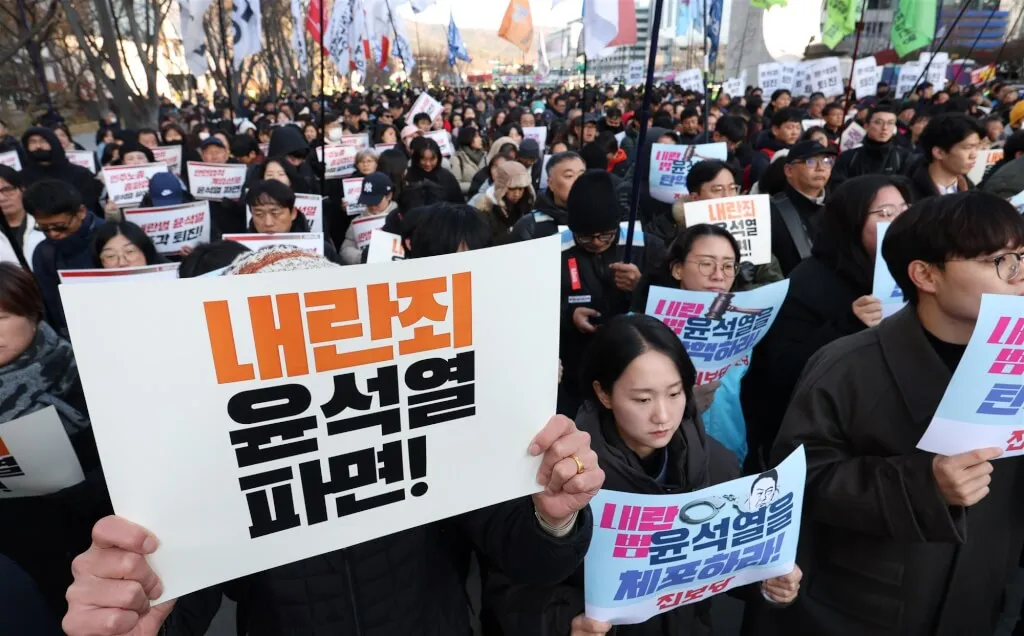
From an investment perspective, the new bill highlights the South Korean government's policy stance on social equity and labor protection, potentially improving worker welfare and social stability, and benefiting consumption and domestic demand in the long term. However, in the short term, rising operating costs and the increased risk of labor-capital conflict could impact the country's appeal to foreign investment. Investors should closely monitor labor-capital interactions and policy details in the coming months, avoiding emotional reactions.
South Korea's upgraded labor protection is reshaping the market landscape.
Want to be the first to grasp global market trends and investment opportunities? Follow us on BrokerHiveX for the latest in-depth analysis and real-time information!
BrokerHivex is a financial media platform that displays information from the public internet or user-uploaded content. BrokerHivex does not support any trading platform or instrument. We are not responsible for any trading disputes or losses arising from the use of this information. Please note that the information displayed on the platform may be delayed, and users should independently verify its accuracy.