BrokerHiveXBrokerHiveXBrokerHiveX
Summary:An in-depth analysis of how BrokerHiveX assesses the reliability of forex brokers – covering regulation, transparency, technology, execution, reputation, and risk signals, with real-world broker examples and practical checklists.
In online trading, spreads and bonuses often attract attention, but reliability is the true safeguard for your funds. When brokers deny withdrawals, manipulate slippage, or simply operate without oversight, your account funds can evaporate in seconds. This is precisely why BrokerHiveX was founded: to bring a rigorous, transparent, and repeatable evaluation framework to the chaotic Forex and CFD markets, and to provide traders with a practical way to compare options before depositing funds.
At BrokerHiveX, you'll see a dynamic map of the industry—from highly trusted, multi-licensed firms to emerging platforms with limited disclosure. Our structured evaluations ensure traders can go from macro rankings to a shortlist of trusted candidates in minutes. If you're new to BrokerHiveX, start on the homepage and then browse the full broker list . If you're curious about how ratings are generated, this article is your blueprint.
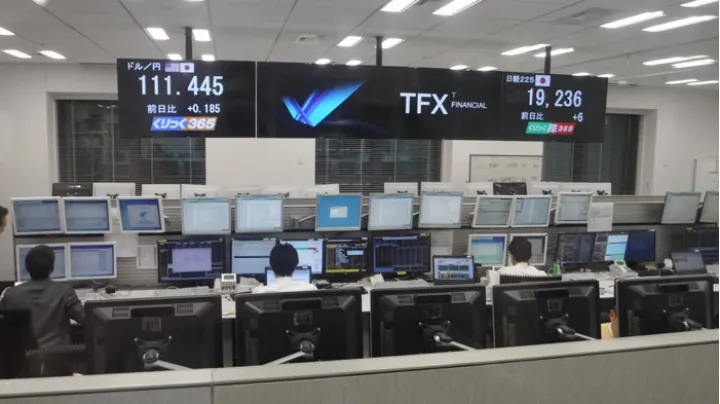
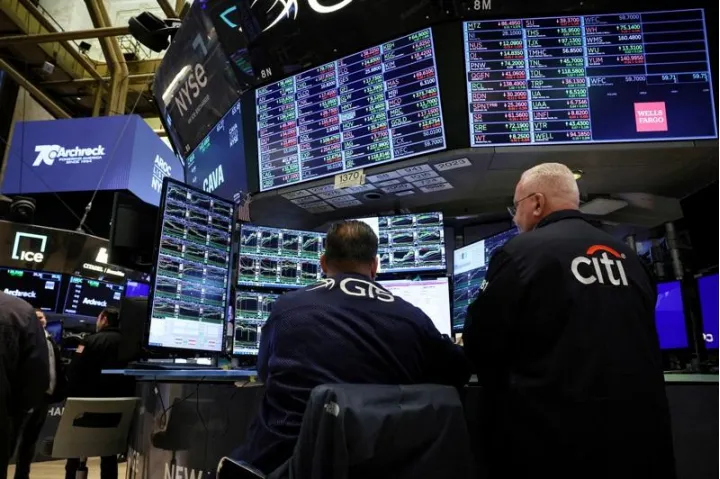
Our evaluation methodology is based on six complementary pillars. Each pillar contains measurable indicators, each of which is weighted in the BrokerHiveX Score. This ensures that our judgment of brokers remains consistent over time and across different entities.
Regulation isn’t a perfect guarantee, but it’s the first reliable filter. Regulated brokers must comply with rules on client funds segregation, capital adequacy, financial reporting, and dispute resolution. We verify:
Which regulatory bodies license the broker (top vs. lightly regulated)
Corporate structure (group structure, operating entity vs. marketing entity)
Passporting/Service Permit (legal scope of services provided by brokers)
Sanctions, warnings, or enforcement history
A positive example is FOREX.com , which lists its multi-jurisdictional licenses and global operations in our database. Multiple licenses don't automatically equate to a high score, but they do indicate institutional rigor.
Conversely, brokers without any valid licenses or with only vague compliance statements will receive a significant reduction in their reliability scores. We will directly highlight such gaps on their respective profile pages to help traders make informed decisions.
We check whether the broker clearly discloses its execution model (e.g. STP/ECN vs. market maker), pricing methods, and conflict of interest management mechanisms. Transparent brokers will disclose:
Typical spreads for each product and trading period
Commission structure and non-trading fees
Execution data (fill rate, positive/negative slippage ratio)
Clear and readable terms and conditions
A lack of transparency doesn't guarantee violations, but it does increase uncertainty. For example, while both MCGlobalHub and ThunderFX list features like MetaTrader 5, their disclosures of regulatory information and operational details are relatively scarce, leading us to offer a cautious initial assessment.
Real-world trading success or failure depends on execution quality. We evaluate:
Platform selection (MT4/MT5, web/mobile, self-developed system)
Latency and stability (where available)
CFD Order Types and Market Depth
Risk tools (e.g. guaranteed stop-loss, partial closeout, margin calculator)
Just because a broker advertises support for MT5 doesn't necessarily mean their server architecture is sound or their routing is stable under heavy load. When evaluating brokers like ThunderFX , we consider the platform, regulation, and transparency within a holistic framework—the value of technology depends on the company behind it.
When withdrawals are smooth, traders rarely complain about spreads. We rate deposits and withdrawals based on:
Supported payment methods (bank wire, bank card, e-wallet, local method)
Processing time (official promise vs. actual observation)
Fees, Limits, and Currency Conversions
Chargeback/Complaint Resolution Process
A "normal" broker can significantly improve its rankings with stable withdrawals, reasonable fees, and comprehensive AML/KYC procedures. Conversely, a high number of reports of delayed withdrawals or disconnected customer service can quickly degrade its rating.
A single case is not data, but a large number of consistent cases usually is. We will cross-validate:
User feedback patterns (avoiding isolated incidents)
The quality of ticket processing in official channels
Whether the announcement is consistent with the actual policy update
Historical record (whether it can continue to operate across market cycles)
In our community of traders , you can view discussions, ask questions, and gather first-hand experiences. This "human dimension" complements the hard metrics.
We maintain a risk red flag classification. The presence of multiple red flags can significantly reduce reliability:
No verifiable license; entity name does not match
"Bonus" terms restrict withdrawals
Guaranteed profit, zero risk, and other marketing or cold promotion
Abnormal recharge channels or "increase position to unlock" pressure
Unfair clauses that allow unilateral modification of terms
For example, Y4Trade and Aivora Trade are marked in our database as cases with unclear regulation and high platform risk:
We also advise caution with niche platforms like PHYRX and Pxtfx until there is stronger documentation to support them:
Weighting: Regulation and withdrawals are weighted the most, followed by transparency and platform quality. Reputation signals and red flags serve as modifiers, raising or lowering the score based on severity and persistence.
Data source:
Official Registry and License Plate Database
Broker Disclosures (Terms, Pricing Page, Platform Description)
User evidence (normalized for bias and sample size)
Our direct testing and third-party technical data
Update Frequency: We revise entries whenever we identify new data (especially regulatory changes, product adjustments, or policy updates). To understand the logic behind the ratings, please review the overview in the About BrokerHiveX section and browse the broker directory to see them in action.
Start with regulation: Prioritize brokers with multiple licenses or those supervised by strong regulatory bodies. Reference benchmark: FOREX.com .
View Disclosures: Read the Terms and Pricing Schedule. Missing execution policies, slippage rules, or withdrawal terms are considered a red flag.
Verify the entity: Ensure that the name of the entity making deposits/withdrawals is consistent with the licensed entity.
Check withdrawals: Prefer brokers that support multiple channels and publish timelines.
Look for red flags: Guaranteed profits, urging for additional funds, and vague addresses are all considered risks.
Cross-community feedback: Focus on consistent evaluation patterns rather than single cases.
A small trial: deposit - transaction - partial withdrawal - customer service interaction, complete the entire process.
By following this process, you can usually narrow down dozens of candidates to three or four targets worth further testing.
FOREX.com — Multi-License Benchmark
A globally renowned brand holding multiple top-tier licenses. With diverse platforms (MT4/MT5/proprietary), clear disclosures, and a long history of operation, it's a benchmark on our list.
ThunderFX — Platform Promotion vs. Documentation Gaps
Claims support for MT5 and multiple asset classes, but lacks verification of regulatory and operational information, so the rating remains cautious until more evidence is obtained.
MCGlobalHub — Multi-asset positioning, insufficient transparency
Positions itself as a multi-asset platform. However, the lack of verifiable licenses and limited disclosure limit its reliability.
ICINOVA — Proprietary Platform, Emerging Risks
While new platforms powered by proprietary systems offer innovative potential, they also carry execution and sustainability risks. We recommend that they be tested in phases.
DefcoFX — Disparity Between Promotion and Verification
A broad product list doesn't guarantee reliability; verification is key. Until licensing and operational audits are finalized, proceed with caution.
A commission-free account is meaningless if withdrawals are blocked. MT5 access is worthless if the broker can change its terms and freeze profits at any time. Conversely, a low-key company that consistently publishes reasonable fees and stable withdrawals will outperform competitors with flashy features year-round. Our ratings reward consistency: regulation + clear disclosure + reliable technology + timely withdrawals + consistent behavior.
Reliability isn't absolute, it's fit for purpose. Scalpers and swing traders have completely different needs. Use BrokerHiveX to align your risk budget with your broker's characteristics:
If you need certainty of execution: Choose a broker with clear disclosure and historical execution data.
If the cost is optimal: compare spread + commission + overnight interest, and give priority to companies with time-weighted average.
If testing a new platform: make a small deposit and try to withdraw part of it within a week.
If the platform is unregulated or newly established: it should only be used as a high-risk testing ground, not a core channel.
Also, record your experience and share it with the community to help others shorten their learning curve.
If you encounter withdrawal obstacles, hidden fees or forced deposits:
Stop depositing immediately
Save evidence (screenshots, emails, timestamps, transaction numbers)
Contact support in writing and allow a reasonable response time
If licensed, use regulatory/arbitration channels to escalate complaints
Report the case on the BrokerHiveX corresponding page to alert others
We will update the dossier as evidence accumulates – collective vigilance improves the market as a whole.
In trading, the best broker is the one you barely notice exists—because deposits, trades, and withdrawals are all seamless. BrokerHiveX's framework aims to push the market in this direction: rewarding consistency and punishing opacity.
If you're just getting started, browse the broker directory , check out About BrokerHiveX to learn about the scoring principles, and stay connected in the community. If you need customized advice for a specific strategy or region, please contact us through Contact Us and we'll help you build a shortlist that matches your risk objectives.
BrokerHivex is a financial media platform that displays information from the public internet or user-uploaded content. BrokerHivex does not support any trading platform or instrument. We are not responsible for any trading disputes or losses arising from the use of this information. Please note that the information displayed on the platform may be delayed, and users should independently verify its accuracy.