BrokerHiveXBrokerHiveXBrokerHiveX
Summary:China plans to liquidate confiscated cryptocurrencies through Hong Kong-licensed exchanges. This move hides a grand strategy: to reshape the global liquidity landscape for virtual assets. Hong Kong is not only at the forefront of regulation, but also a bridgehead for China to influence global markets. Against the backdrop of the US hoarding cryptocurrency, Singapore's restrictions, and Dubai's decentralized regulation, Hong Kong is seizing market pricing power and reshaping investor rules. #ChinaCryptoStrategy #HongKongLEAPPolicy #VirtualAssetLiquidity #GlobalCryptoRegulation
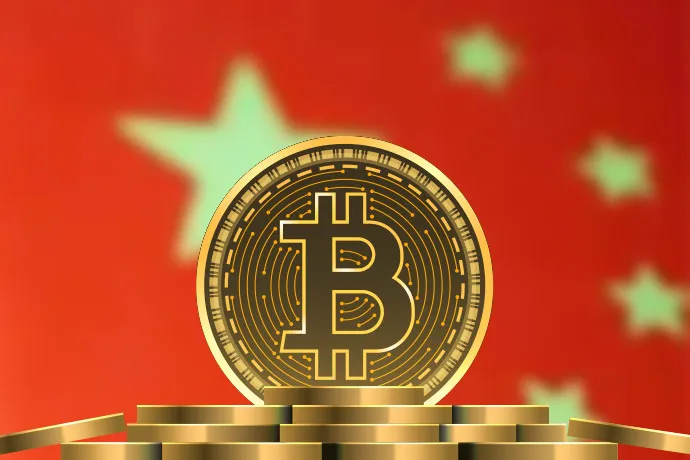
In June 2025, Hong Kong released the LEAP Digital Asset Policy Statement 2.0, proposing unified licensing, expanding tokenized products, and promoting cross-border collaboration. This was a leap forward in regulation, but the deeper intention came from Beijing.
China’s announcement that it will liquidate confiscated digital assets through Hong Kong’s licensed virtual asset platform (VATP) is not an isolated policy, but rather a strategic injection of market liquidity through “controlled liquidation”, thereby shaping global digital asset prices and trends.
Data source: Hong Kong Government LEAP Policy Statement 2.0, Hong Kong Stablecoin Ordinance (effective August 1, 2025)
While the United States maintains a "hold-only" strategic reserve, China is actively influencing asset prices through liquidity conversion and leveraging the Hong Kong market. This liquidity injection strategy not only provides real buying and selling depth but also becomes a financial weapon in geopolitical games.
Looking back at China's experience in the rare earth metals market, liquidity is not just a market concept; it is a key variable that influences market narrative, pricing power, and even bargaining chips.
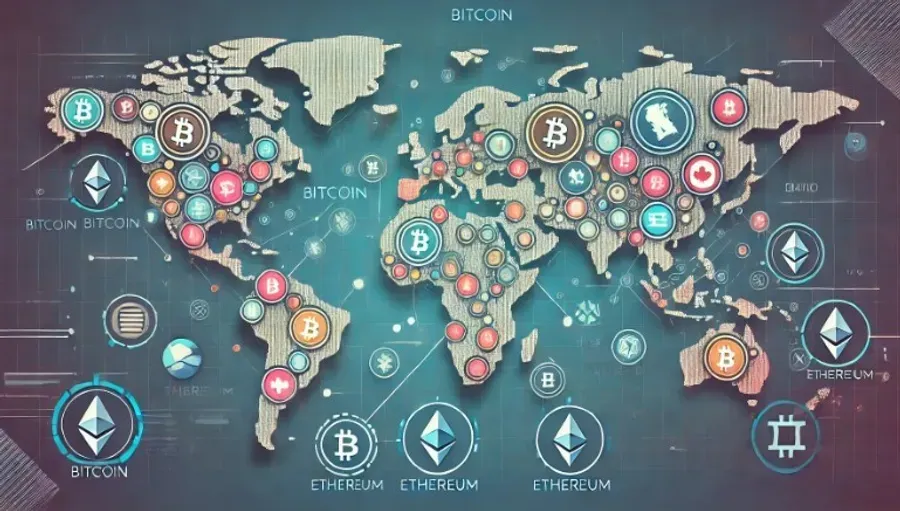
United States: The strategic reserves are strong but liquidity control is insufficient, and the market influence is passive.
Singapore: The regulatory system is sound but the market capacity is limited, making it difficult to compete with major powers.
Dubai: The policy is ambitious but lacks a unified regulatory framework, limiting expansion efficiency.
Hong Kong: Integrating regulatory compliance, policy support and Chinese resources, it truly possesses "global deployment capabilities."
Globally, only Hong Kong has the trinity structure of "clearing + supervision + market", and this structure will profoundly affect investors' future currency selection, market layout and asset allocation.
For institutional investors, Hong Kong has become an important observation point for capital deployment and crypto trading; for retail investors, understanding the linkage between "liquidity-narrative-valuation" can help them avoid blindly following the trend in high volatility.
Neutral recommendations:
Short-term: Pay close attention to the impact of Hong Kong's new clearing mechanism on the prices of major currencies and avoid blindly chasing rising and falling prices;
Medium to long term: Continue to observe how regulatory adjustments and liquidity strategies in various countries affect the overall valuation model, and adjust the asset portfolio structure in a timely manner.
China is leveraging Hong Kong to leverage its "regulation + liquidity" strategy, shifting the narrative and value distribution of global digital assets. Liquidity is central to future competition, and Hong Kong is the "invisible hand" truly steering the direction of cryptocurrency.
Want to be the first to grasp global market trends and investment opportunities? Follow us on BrokerHiveX for the latest in-depth analysis and real-time information!
BrokerHivex is a financial media platform that displays information from the public internet or user-uploaded content. BrokerHivex does not support any trading platform or instrument. We are not responsible for any trading disputes or losses arising from the use of this information. Please note that the information displayed on the platform may be delayed, and users should independently verify its accuracy.