BrokerHiveXBrokerHiveXBrokerHiveX
Summary:On August 1, a U.S. federal appeals court ruled that former President Trump could terminate the bargaining obligations of several federal agencies with unions. The ruling affects over 2 million federal civilian employees, meaning the U.S. government may be able to more easily push for layoffs, reforms, and restructuring in the future. This outcome could have a profound impact on the balance between government efficiency and labor rights. #TrumpExecutiveOrderUSFederalEmployees #UnionBargainingRights #LaborRelationsReform #PolicyRiskAlert
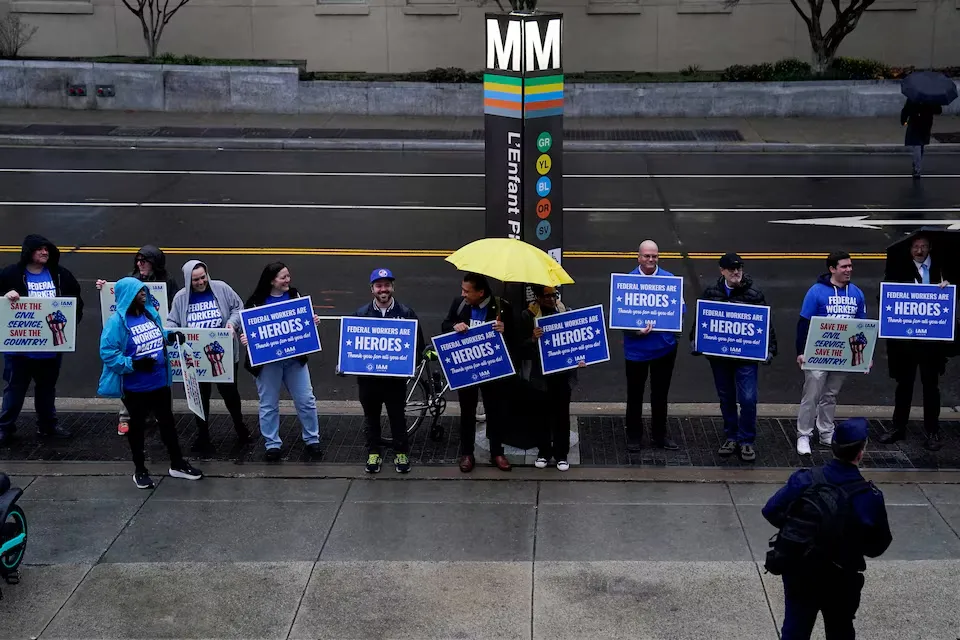
A three-judge panel of the U.S. Court of Appeals for the Ninth Circuit overturned a lower court injunction on Monday, reinstating an executive order signed by the Trump administration that exempted 21 federal agencies from collective bargaining obligations with their employee unions.
The agencies involved include: Department of Justice, Department of Defense, State Department, Treasury Department, and Department of Health and Human Services (Source: Reuters, August 2, 2025)
The ruling noted that Trump's actions "did not, on their face, suggest a retaliatory intent" and accepted the government's argument that it would have adopted the same policy even without the controversial actions.
Everett Kelly, president of the American Federation of Federal Employees (AFGE), called the ruling a "blow to First Amendment rights," stressing that the union remains confident it can reverse the situation through subsequent appeals.
Previously, California District Judge James Donato ruled that Trump's order was suspected to be a retaliatory act because the relevant unions had opposed his layoffs and restructuring policies, which was an infringement of the right to freedom of speech.
It is worth noting that two judges on the jury were appointed by Trump, which implies strong political power struggle.
This ruling allows federal agencies to more quickly adjust working conditions, layoffs, or conduct performance-based penalties without facing resistance from union lawsuits. In particular, the executive order further expands the scope of existing exemptions for "national security, counterintelligence, and investigative positions."
Analysts believe that this move will increase the flexibility of the federal system, especially providing more initiative in government budget tightening or restructuring policies. However, it also raises concerns about the lack of employee protection.
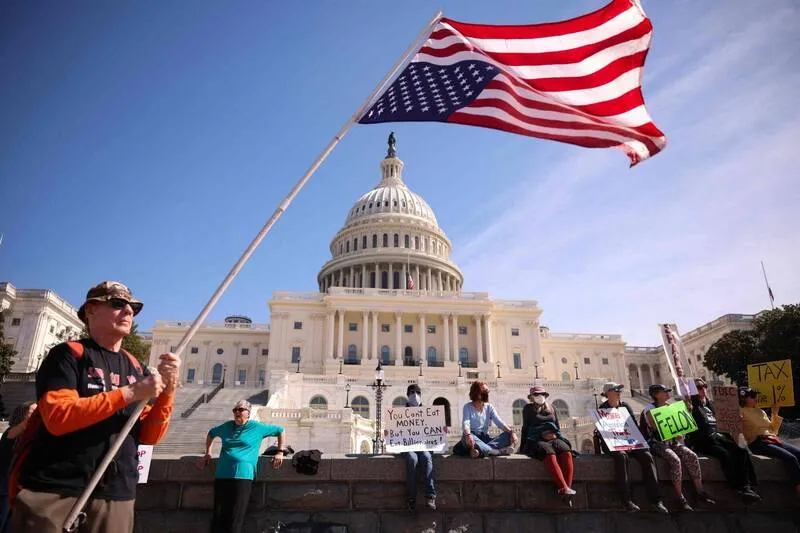
While the ruling has limited short-term impact on the capital market, the policy signals it sends cannot be ignored in the longer term. If Trump returns to power, this will provide the legal and institutional foundation for more radical government layoffs and staffing reductions, particularly in core departments like defense, finance, and public health, potentially requiring profound adjustments to spending structures and personnel arrangements.
The weakening of public sector unions could also have a demonstrable effect on private enterprises, influencing salary negotiation strategies and labor cost structures. At the same time, the government's reduction of negotiation processes with unions will improve policy implementation efficiency, helping to accelerate the implementation of projects in areas such as infrastructure, defense procurement, and healthcare, thereby providing greater certainty for these sectors.
From an investment perspective, we recommend monitoring the long-term impact of the 2025 US presidential election and potential policy mix on the federal budget, labor structure, and public project implementation. This will particularly impact the reassessment of cost control capabilities and project cycles within the public services and defense supply chains. Amidst rising policy uncertainty, maintaining flexible allocations and dynamic responses is a more prudent strategic choice.
The executive order revoking union bargaining rights is not only a focal point for labor-capital conflict but also a bellwether for future government governance and the path forward for national administrative efficiency. The potential impact on the labor market and fiscal spending structure warrants long-term investor attention.
Want to be the first to grasp global market trends and investment opportunities? Follow us on BrokerHiveX for the latest in-depth analysis and real-time information!
BrokerHivex is a financial media platform that displays information from the public internet or user-uploaded content. BrokerHivex does not support any trading platform or instrument. We are not responsible for any trading disputes or losses arising from the use of this information. Please note that the information displayed on the platform may be delayed, and users should independently verify its accuracy.