BrokerHiveXBrokerHiveXBrokerHiveX
Summary:Despite former US President Trump's threats to impose high tariffs on countries purchasing Russian oil, Indian government sources have made it clear that they will not stop importing Russian oil. This statement highlights India's independence in its energy strategy and reflects the intensifying struggle between political pressure and practical interests in the global energy landscape. Meanwhile, Indian refiners have begun reducing purchases, with narrowing discounts becoming a key turning point. #IndiaRussiaOil #TrumpTariffThreat #GlobalEnergyLandscape #CrudeOilPriceTrends #InvestorRiskCaution
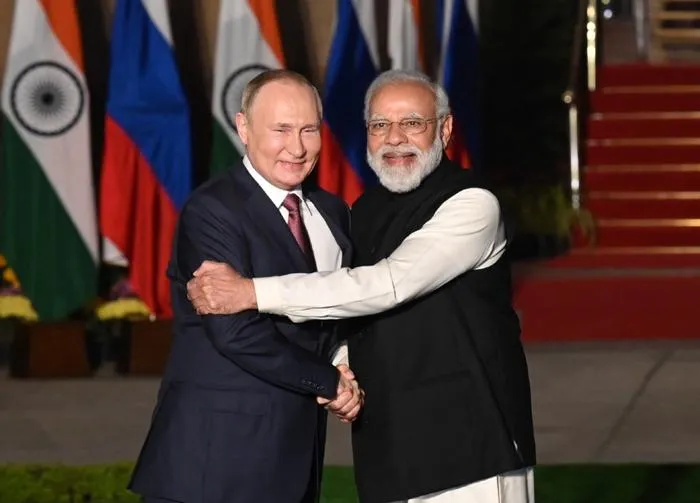
Despite Trump's post on "Truth Social" suggesting India would stop buying Russian oil and warning of a possible 100% tariff, the Indian government has strongly signaled its policy remains unchanged. Foreign Ministry spokesman Jaiswal emphasized that India will independently decide on energy purchases based on market resources and the international situation, and that "cooperation with Russia is a stable and time-tested partnership."
According to Reuters, India has not received any formal negotiations from the White House, and all Russian oil purchases are "long-term contracts" that are difficult to interrupt easily.
Source: Reuters, August 3, 2025, Indian government sources
India, the world's third-largest oil importer, imported an average of 1.75 million barrels per day (bpd) of Russian oil in the first half of 2025, accounting for approximately 35% of its total supply (Source: Reuters). Compared to Iranian and Venezuelan crude, Russian oil is not currently subject to direct sanctions and is priced below the EU price cap.
This not only helps India control domestic energy costs but also alleviates the pressure of rising global oil prices to a certain extent. However, this "arbitrage space" is gradually shrinking. Due to the decline in Russian exports and stable demand, the discount in July 2025 has dropped to the lowest level since the Russo-Ukrainian conflict.
Despite the official stance remaining unchanged, according to Reuters, Indian state-owned refiners such as IOC and BPCL have not made any further purchases of Russian oil in the past week. This move coincides with tight Russian supply and new EU sanctions on Russian oil products.
What is even more sensitive is that after being sanctioned, the CEO of Nayara Energy, which is controlled by Rosneft, resigned and three refined oil tankers were stuck at the port and unable to unload their cargoes - the real impact has gradually penetrated to the corporate level.
For investors, this event sends two signals:
Short-term: Reduced purchases by major buyers such as China and India may temporarily impact Russian exports, pushing up oil prices locally.
Medium to long term: If the United States subsequently implements punitive policies, it may affect the logic of global crude oil circulation, especially the oil source layout in the Asian market.
Neutral recommendation: Observe whether India resumes purchases over the next two weeks and how Russia responds to EU sanctions. We recommend monitoring fluctuations in the WTI/Brent crude oil price differential and price elasticity in the Asian spot market as early indicators of regional energy pressure.
India's rejection of Trump's pressure may appear diplomatically assertive, but in reality it reflects global energy realities and economic interests. In today's increasingly complex policy landscape, whoever controls supply will dominate the energy discourse.
Want to be the first to grasp global market trends and investment opportunities? Follow us on BrokerHiveX for the latest in-depth analysis and real-time information!
BrokerHivex is a financial media platform that displays information from the public internet or user-uploaded content. BrokerHivex does not support any trading platform or instrument. We are not responsible for any trading disputes or losses arising from the use of this information. Please note that the information displayed on the platform may be delayed, and users should independently verify its accuracy.