BrokerHiveXBrokerHiveXBrokerHiveX
Summary:US President Trump has again threatened to impose high tariffs on India for its continued purchases of Russian oil and its subsequent resale for profit. Despite the Indian government's stern response and denials of policy changes, major refiners have begun shifting their sourcing to the US and the Middle East. This move has exacerbated US-India trade tensions and created uncertainty about the global energy landscape and geopolitical stability. #TrumpTariffs #IndiaRussiaOil #USIndiaRelations #GlobalEnergyGame #GeopoliticalRisk
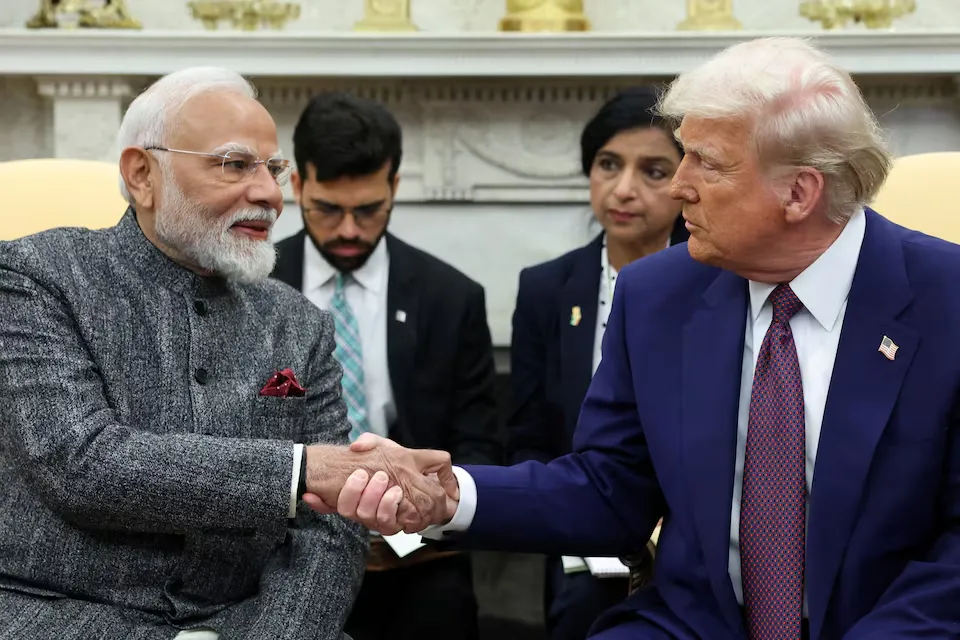
On August 5, 2025, Trump publicly criticized India on social media for importing large quantities of Russian oil and reselling it for profit, accusing it of being indifferent to the humanitarian crisis in Ukraine. He stated that unless Russia showed a willingness to stop the war, the United States would impose a new round of sanctions on Russia and its energy trading partners starting this Friday, including import tariffs of up to 25% on Indian goods [Source: Reuters].
This is not the first time Trump has used the oil issue to pressure India. As early as July, he announced an increase in tariffs and criticized India for being too close to the US "enemy camp" on the BRICS issue.
Although India's Ministry of Foreign Affairs said it would "take all necessary measures to defend national interests" and denied any change in policy stance, several trade sources interviewed by Reuters revealed that India's largest refiner, Indian Oil Corporation (IOC), has suspended purchases of Russian crude oil and turned to buying 7 million barrels of crude oil from the United States, Canada and the Middle East [Source: Reuters].
In the first half of this year, India imported an average of 1.75 million barrels of Russian crude oil per day, a year-on-year increase of 1%, maintaining its position as the largest buyer of Russian seaborne crude oil. This energy strategy has long been based on the traditional friendly relations between India and Russia and the discount advantage.
However, under the dual pressure of US pressure and reduced discounts, the refineries' choices may suggest that India's actual strategy has room for adjustment, although the government still insists on the position of "independent decision-making".
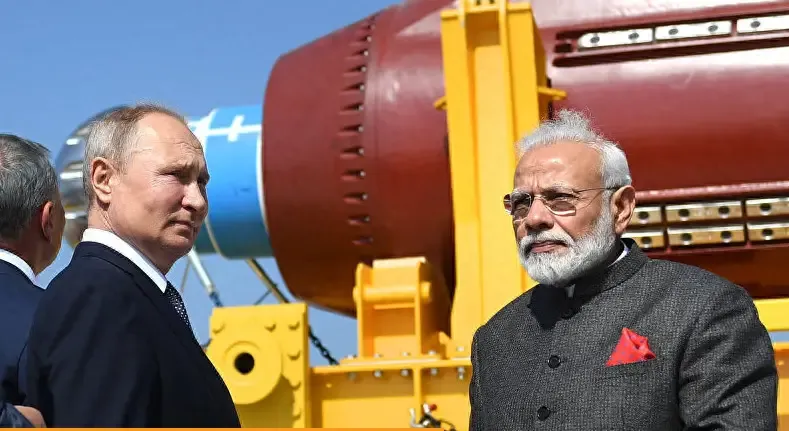
Trump's stance has further complicated the already complex trade negotiations between the US and India. His hostility toward the BRICS countries has further reinforced the global landscape of "camp-to-camp confrontation." India has expressed dissatisfaction with this, arguing that it is "responding to global market fluctuations" rather than deliberately favoring Russia.
At the same time, the European Union and other Western countries are still continuing some bilateral trade with Russia, and the Indian spokesperson also used this opportunity to point out the so-called "Western double standards" phenomenon.
As refineries adjust their purchasing directions, the market will pay close attention to whether global crude oil prices will fluctuate in the short term, especially the response of the crude oil supply chain in the Middle East and North America.
Investor sentiment is currently at a delicate and sensitive stage. Some Indian refineries have begun shifting their crude oil purchases to the US, Canada, and the Middle East, which is expected to boost profit expectations for energy companies in these regions in the short term. However, if the Trump administration's tough stance continues to escalate, US-India relations could descend into a new round of confrontation, which would significantly impact the US dollar and Indian rupee exchange rates, as well as the international crude oil futures market.
On an operational level, energy sector investors can monitor the market performance of US and Middle Eastern crude oil exporters to assess their potential benefits from supply chain restructuring. In the foreign exchange market, the rupee faces volatility risks amid tariff pressure and policy uncertainty, necessitating vigilance. Furthermore, from a medium- to long-term perspective, whether India will adjust its reliance on Russian energy and whether the US and India can restart trade negotiations will be key variables influencing macroeconomic trends.
Geopolitics is changing rapidly, and every tariff announcement has the potential to change market trends.
Want to be the first to grasp global market trends and investment opportunities? Follow us on BrokerHiveX for the latest in-depth analysis and real-time information!
BrokerHivex is a financial media platform that displays information from the public internet or user-uploaded content. BrokerHivex does not support any trading platform or instrument. We are not responsible for any trading disputes or losses arising from the use of this information. Please note that the information displayed on the platform may be delayed, and users should independently verify its accuracy.